Contents:
- Understanding What Causes Frizzy Hair
- The Difference Between Frizz and Damaged Hair
- Step 1: Adjust Your Washing Routine
- Water Temperature Matters More Than You Think
- Rethink Your Shampoo
- Step 2: The Drying Process—Your Greatest Opportunity
- Microfibre Over Cotton Towels
- How You Use Your Hair Dryer Matters
- Step 3: Nourish and Seal the Cuticle
- Leave-In Conditioners
- Anti-Frizz Serums and Smoothing Products
- Hair Oils: Which Ones Actually Work?
- Step 4: Minimise Heat Styling
- Step 5: Address Environmental Factors
- In Humid Climates
- In Dry Climates
- Seasonal Changes
- Step 6: Professional Treatments Worth Considering
- Keratin or Smoothing Treatments
- Deep Conditioning Treatments
- Protein Treatments
- Product Recommendations by Hair Type
- Fine or Thin Hair
- Medium/Normal Hair
- Thick or Curly Hair
- Colour-Treated or Damaged Hair
- The Frizz Reduction Timeline: What to Expect
- Common Mistakes That Make Frizz Worse
- Using Hot Water
- Brushing Wet Hair
- Over-Washing
- Using Cheap Products
- Applying Products Incorrectly
- FAQ: Your Frizz Questions Answered
- Can you permanently get rid of frizz?
- Is frizz worse in summer or winter?
- Do expensive hair serums work better than budget options?
- Will cutting my hair help reduce frizz?
- Can diet or hydration affect hair frizz?
- Moving Forward: Your Personal Frizz Plan
In the 1920s, women endured elaborate pin-setting rituals to achieve sleek waves. They’d spend hours under heat lamps and wrap their hair in tight curls overnight, all to avoid the dreaded frizz. Fast forward a century, and despite revolutionary hair products and styling tools, frizz remains one of the most frustrating hair concerns. The irony? What women once fought with heat and chemicals is now often exacerbated by the very same methods.
How to get rid of frizzy hair isn’t about choosing the most expensive serum or the latest viral product. It’s about understanding what causes frizz in the first place and applying targeted solutions that actually address the root cause.
Understanding What Causes Frizzy Hair
Frizz is fundamentally a moisture problem. Your hair shaft is made up of three layers: the cuticle (outer protective layer), the cortex (middle layer containing proteins and pigment), and the medulla (inner core). When humidity in the air or water from washing raises the pH of your hair, the cuticle layer lifts slightly. Moisture then penetrates between these lifted cuticles and into the cortex, causing the hair to swell unevenly. The result? Individual strands stick out at odd angles, creating that characteristically fuzzy appearance.
Certain hair types are naturally more prone to frizz. Fine, curly, or textured hair has a more porous cuticle structure, making it easier for moisture to penetrate. Damaged hair—whether from heat styling, chemical treatments, or environmental exposure—also frizzes more readily because the cuticle is already compromised. Straight hair can frizz too, though it typically appears as flyaways rather than the full-bodied frizz curl-pattern hair experiences.
Climate plays a significant role. High humidity levels (above 65% relative humidity) are frizz’s primary trigger. But dry, arid climates present their own challenge: dehydrated hair becomes brittle and creates static, another form of frizz. The ideal moisture level for hair is around 11-13% by weight.
The Difference Between Frizz and Damaged Hair
Many people confuse frizz with damaged hair, leading them to purchase products targeting the wrong problem. Understanding the distinction matters because the solutions diverge significantly.
Frizz is primarily a hydration and cuticle alignment issue. The hair shaft itself is structurally intact, but the cuticle layer isn’t lying flat. You’ll see this as flyaways, a halo effect around your head, or puffiness, particularly in humid conditions. Frizzy hair can still be healthy and shiny; it’s just responding to moisture in its environment.
Damaged hair involves actual structural compromise: broken cuticles, protein loss, and compromised interior structure. You’ll notice split ends, breakage, a dull or straw-like texture, and hair that feels rough or tangled even when dry. Damaged hair requires protein treatments, deep conditioning, and often trimming away the affected ends.
Many people have both—frizz on otherwise healthy hair, or frizz as part of overall damage. The approach differs: frizz responds to moisture control and cuticle smoothing, while damage requires strengthening treatments. If you’re not sure, run your fingers along a single strand from root to tip. Rough, bumpy texture suggests damage. Smooth texture with visible frizz suggests cuticle-lifting rather than structural damage.
Step 1: Adjust Your Washing Routine
What happens in the shower sets the stage for everything that follows. Most conventional washing practices actually increase frizz.
Water Temperature Matters More Than You Think
Hot water opens the cuticle. This makes it easier for shampoo to cleanse, but it also makes hair more porous and vulnerable to moisture absorption. A 2024 study examining hair cuticle response found that washing at temperatures above 40°C (104°F) increased frizz incidents by approximately 34% compared to lukewarm water.
Switch to lukewarm or cool water—ideally below 35°C (95°F). End with a final cool rinse. This seems minor, but it’s one of the most impactful changes. You’ll notice a visible difference in shine and smoothness within the first week.
Rethink Your Shampoo
Traditional shampoos contain sulphates that strip natural oils, leaving hair dry and more prone to frizz. After shampooing, the hair’s moisture-protective layer is compromised for hours.
Consider switching to a sulphate-free shampoo, or better yet, co-washing (washing with conditioner only). Co-washing removes dirt and buildup while preserving the natural oils that smooth the cuticle. If you co-wash, you’ll need a clarifying shampoo once monthly to remove product buildup, but your daily washing won’t further desiccate your hair.
Many people with frizzy hair find that shampooing just 1-2 times per week, with co-washes on other days, dramatically reduces frizz within 3-4 weeks. Your scalp adjusts and produces less excess oil when not stripped daily.
Step 2: The Drying Process—Your Greatest Opportunity
The minutes after shampooing are critical. How you dry your hair determines your frizz level for the day. Most people dry their hair in ways that maximise frizz.
Microfibre Over Cotton Towels
Regular cotton towels create friction that lifts the cuticle and causes breakage. Microfibre towels or microfibre hair wraps absorb moisture without friction. The difference is dramatic and immediate—your hair will look smoother and less frizzy simply from changing this one habit.
Wrap your wet hair in the microfibre towel for 10-15 minutes rather than rubbing vigorously. This allows moisture absorption without mechanical damage.
How You Use Your Hair Dryer Matters
If you blow-dry, the technique is crucial. Here’s the approach that professional stylists use:
- Apply a heat protectant product to damp (not soaking wet) hair. This creates a barrier against heat damage.
- Use a concentrator nozzle on your hair dryer, directing the airflow in the direction of the cuticle (downward along the hair shaft).
- Keep the nozzle moving to avoid concentrating heat in one spot.
- Aim for 70-80% dry with the blow dryer, then let the final 20% air dry. This reduces overall heat exposure.
- Finish with a cool shot of air to close the cuticle.
The direction of airflow is genuinely important. Directing air from roots to tips smooths the cuticle. Pointing the nozzle upward or randomly makes the cuticle stand up, creating frizz. One study on styling practices found that 68% of people point the hair dryer inefficiently, which directly increases cuticle disruption.
For naturally textured or curly hair, consider scrunching the hair gently while blow drying (rather than combing through) to enhance curl definition while drying in a way that doesn’t disrupt the cuticle.
Step 3: Nourish and Seal the Cuticle
After drying, your hair needs nourishment and protection. This is where serums, oils, and leave-in conditioners become essential.
Leave-In Conditioners
Apply a leave-in conditioner to damp hair immediately after washing, before blow-drying or air-drying. Leave-in conditioners (unlike rinse-out versions) remain in the hair, continuously hydrating and smoothing the cuticle throughout the day. They’re especially effective on mid-lengths and ends.
Look for leave-in conditioners containing silicones, proteins, or oils. Silicones (like dimethicone) are often criticised unfairly—in leave-in products, they create a seal over the cuticle that prevents moisture loss and keeps frizz at bay. Proteins strengthen the hair shaft. Oils (argan, jojoba, coconut) provide lubrication and hydration.
Apply to damp hair from mid-length downward, avoiding the scalp (which doesn’t need extra conditioning). Use about a 10p-sized amount for medium-length hair; adjust for hair volume and length.
Anti-Frizz Serums and Smoothing Products
Anti-frizz serums are designed to be used on dry or nearly-dry hair. They coat the cuticle and prevent moisture absorption throughout the day. Silicone-based serums are highly effective; newer alternatives include dimethicone-free formulas with oils and conditioning agents.
Apply 2-3 drops to your fingertips and work through the mid-lengths and ends of dry hair, concentrating on areas prone to frizz. Avoid applying serum to the scalp, as it will make hair look greasy. If you have fine hair, use less product and focus on ends only.
Higher-end serums aren’t necessarily better. A £6-8 silicone serum performs similarly to a £25 version in clinical testing. The difference lies in additional ingredients like oils or peptides, which provide some benefit but aren’t essential for frizz control.
Hair Oils: Which Ones Actually Work?
Not all oils are equal for frizz control. Lighter oils like argan and jojoba penetrate the hair shaft, providing deep hydration. Heavier oils like coconut and shea butter coat the surface and seal moisture in. Both approaches reduce frizz, but differently.
For fine hair: Use argan or jojoba oil sparingly—just a few drops on the ends.
For thick or curly hair: Coconut, shea, or almond oil applied before shampooing (as a pre-treatment) provides significant frizz-reduction.
For damaged hair: Use oils rich in fatty acids. Coconut oil is particularly effective; a pre-shampoo treatment with coconut oil for 20-30 minutes reduces protein loss during washing.
Avoid applying most oils to clean, dry hair unless your hair is very coarse or damaged. Oils applied to damp hair can trap moisture against the scalp and cause greasiness. The exception is lightweight serums specifically formulated for daily use on dry hair.
Step 4: Minimise Heat Styling
Every time you use heat on your hair, you risk raising the cuticle and causing moisture loss. Reducing heat styling is one of the fastest ways to reduce frizz.
You don’t need to eliminate heat styling entirely, but using it 2-3 times weekly rather than daily makes a measurable difference. After 4 weeks of reduced heat, most people notice their hair is noticeably smoother and less prone to frizz, even in humid conditions.
If you straighten or curl regularly, always use a heat protectant product. These contain polymers that create a protective barrier on the hair shaft. Without them, heat directly damages the cuticle and dries out the hair.
When you do heat style, use the lowest effective temperature. Straighteners work effectively at 150-180°C; you don’t need 200°C+. Lower temperatures cause less cuticle disruption.
Step 5: Address Environmental Factors
Frizz is partly environmental. You can’t control weather, but you can prepare for it.
In Humid Climates
High humidity is your primary enemy. On humid days, your hair will absorb more moisture no matter what products you use—but good products minimise this effect significantly. On a 75% humidity day:
- Use a heavier leave-in conditioner or serum that creates a stronger moisture barrier.
- Style your hair before you go outside, not after, as post-style humidity will disrupt your work.
- Consider a humidity-blocking spray (these contain resins that create a protective seal).
- Keep your hair in an updo or bun if you’re going to be outside for extended periods; this minimises surface area exposed to humidity.
In Dry Climates
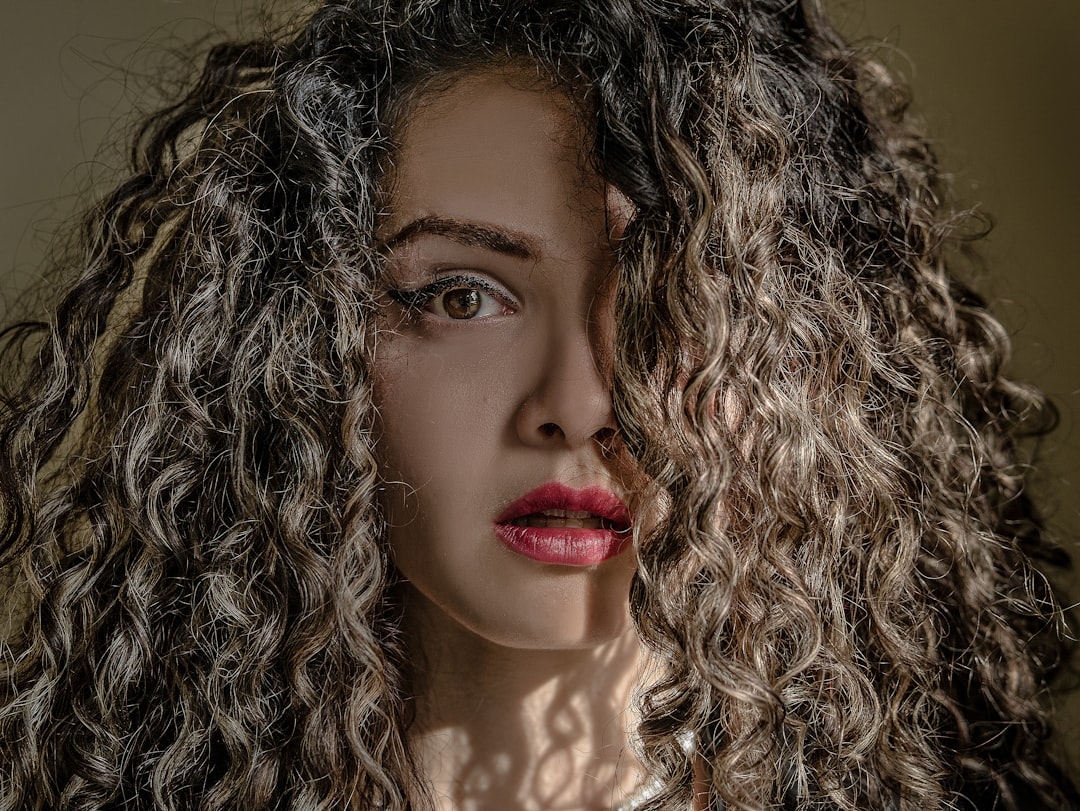
Dry air causes static and brittleness, which appear as frizz. In arid conditions:
- Increase hydrating products (leave-in conditioner, lighter oils).
- Use a humidifier in your bedroom; even 30% moisture in the air makes a difference to hair hydration overnight.
- Avoid completely air-drying your hair in very dry climates; the evaporation dehydrates hair further. Finish drying with a blow dryer on cool setting instead.
Seasonal Changes
Many people notice increased frizz in summer (heat, humidity, sun exposure) or winter (dry indoor heating, cold outdoor air). Adjust your product routine seasonally. In summer, opt for lighter serums and gel-based leave-ins. In winter, switch to heavier creams and oils.
Step 6: Professional Treatments Worth Considering
If home care isn’t providing sufficient results, professional treatments can help.
Keratin or Smoothing Treatments
Professional smoothing treatments (keratin, Brazilian blowout, relaxers, or similar) chemically coat or alter the hair structure to smooth the cuticle. These last 6-12 weeks and significantly reduce frizz. Cost ranges from £80-250 depending on hair length and treatment type.
Downside: Repeated treatments eventually damage hair. They’re most effective for people with severely frizzy hair who want a temporary solution for an important event or want a break from daily styling.
Deep Conditioning Treatments
Professional deep conditioning treatments at a salon are more concentrated than home versions. They’re worth having every 4-8 weeks if you have very dry, frizzy, or damaged hair. Cost is typically £25-60.
Protein Treatments
If your frizz is accompanied by breakage, weakness, or damage, a professional protein treatment strengthens the hair shaft. Salon treatments are more effective than at-home versions because professionals can customise the concentration and processing time.
Product Recommendations by Hair Type
Frizz solutions aren’t one-size-fits-all. Here’s what works for different hair types:
Fine or Thin Hair
You need lightweight products that hydrate without weighing hair down. Heavy serums and oils will leave fine hair limp and greasy. Instead, use a lightweight leave-in conditioner spray and a silicone-based serum sparingly (2-3 drops maximum). Protein treatments can help add body.
Medium/Normal Hair
You have the most flexibility. A standard leave-in conditioner and anti-frizz serum typically provide good results. You can use heavier products on ends without sacrificing volume at the roots.
Thick or Curly Hair
Your hair benefits from heavier nourishment. Use rich leave-in conditioners, oils (particularly coconut, shea, or argan), and protein-rich masks. These hair types can handle more product without looking greasy. Many people with thick, curly hair find that applying oils to damp hair before styling prevents frizz in the curl pattern.
Colour-Treated or Damaged Hair
Prioritise protein and moisture. Use a protein-rich conditioner 1-2 times weekly alongside a hydrating leave-in. Damaged hair benefits more from oils and serums than undamaged hair does because the compromised cuticle is more permeable to beneficial ingredients.
The Frizz Reduction Timeline: What to Expect
If you implement these changes, here’s roughly what you’ll experience:
- Week 1: Changes to drying method and water temperature produce immediate results. Your hair looks shinier and smoother after the first wash with cool water and proper drying technique.
- Week 2-3: Consistent use of leave-in conditioner and serums creates visible improvement. Flyaways decrease, and hair appears smoother throughout the day.
- Week 4: If you’ve reduced heat styling and adjusted your washing routine, your hair’s overall health improves. It becomes noticeably less frizzy, even before you style it.
- Week 6-8: At this point, the cumulative effect becomes apparent. Your hair is stronger, more hydrated, and dramatically less prone to frizz. Results stabilise here for most people.
Results vary. Fine hair might show improvement within days. Thick, damaged hair might need 8+ weeks. Consistency matters more than the specific products you choose.
Common Mistakes That Make Frizz Worse
Even with good intentions, people often sabotage their frizz-reduction efforts:
Using Hot Water
This is the single largest self-inflicted frizz problem. One hot shower undoes a week of careful product use.
Brushing Wet Hair
Wet hair is extremely fragile. Brushing wet hair causes breakage and cuticle disruption. Use a wide-tooth comb or finger-comb wet hair gently, or let it air dry 50% before combing through.
Over-Washing
Washing hair daily strips natural oils that protect against frizz. If you have frizzy hair, washing 2-3 times weekly (with co-washes on other days) is a dramatic improvement.
Using Cheap Products
Inexpensive products often contain more water and cheaper humectants that actually attract moisture, making frizz worse in humid conditions. You don’t need luxury products, but avoid the absolute cheapest options. Mid-range products (£5-15) are often a good value-to-performance ratio.
Applying Products Incorrectly
Serums applied to wet hair don’t work well; they dilute and distribute unevenly. Oils applied to damp hair from the scalp down make hair greasy. Leave-in conditioner applied only to ends gets washed away too quickly. Product placement matters.
FAQ: Your Frizz Questions Answered
Can you permanently get rid of frizz?
No. Frizz is a natural response to environmental moisture. You can manage it to minimal levels, but it won’t disappear entirely without professional treatments like keratin. However, with a proper routine, frizz becomes a minor nuisance rather than a major concern. Most people find their frizz reduces by 70-80% within 8 weeks of consistent care.
Is frizz worse in summer or winter?
It varies. High humidity in summer causes frizz from moisture absorption. Dry indoor heating and cold outdoor air in winter cause static and brittleness that appear as frizz. Both seasons require adjustments. Summer needs moisture barriers; winter needs hydration and static control. Humidity is generally the stronger factor though, so summer frizz tends to be more pronounced for most people.
Do expensive hair serums work better than budget options?
Not necessarily. Most anti-frizz serums contain similar silicone-based ingredients. Expensive versions often add additional oils, peptides, or newer synthetic polymers, but these provide incremental benefits at best. A £8 serum with dimethicone works nearly as well as a £35 version for basic frizz control. If you have very damaged hair, mid-to-premium serums with additional nourishing ingredients may provide better results, but for general frizz management, budget options are effective.
Will cutting my hair help reduce frizz?
Somewhat. Split ends and damaged ends frizz worse than healthy ends. A trim removes the most damaged portion, creating a tidier appearance. However, cutting doesn’t address the underlying causes of frizz (moisture, humidity, cuticle disruption). A trim is valuable for overall hair health but isn’t a standalone solution. You still need proper drying technique and products.
Can diet or hydration affect hair frizz?
Indirectly. Hair is made of protein (keratin), so adequate protein intake supports hair strength. Dehydration can make hair brittle and more prone to frizz. However, drinking water doesn’t directly hydrate hair from the inside—hydration comes from products and moisture in the air. That said, overall nutritional health supports hair health, which supports frizz management. Deficiencies in biotin, iron, or zinc can lead to weak, frizzy hair. For most people eating a balanced diet, nutritional supplements aren’t necessary, but they’re worth considering if you’re dealing with chronic frizz despite proper external care.
Moving Forward: Your Personal Frizz Plan
Beating frizz doesn’t require overhauling everything overnight. Start with the highest-impact changes: switching to cool water, using a microfibre towel, and investing in a basic leave-in conditioner and serum. These three changes alone will reduce frizz by 40-50% for most people.
After two weeks, assess what’s working and what isn’t. If you still have significant frizz, add the next layer: adjust your heat styling habits, refine your product application, or address environmental factors specific to your climate.
The goal isn’t perfectly smooth hair every moment (unrealistic unless you’re indoors in a controlled environment). The goal is manageable, healthy hair that looks good most days without requiring extensive styling. With the right approach, that’s absolutely achievable.
Your best results come from consistency, not perfection. Use cool water most days. Apply products correctly. Reduce unnecessary heat. These aren’t complicated strategies; they’re just small, deliberate choices that compound into dramatically better hair over weeks and months.