Contents:
- How Hair Dye Actually Works
- The Types of Damage Dying Can Cause
- Factors That Determine Hair Damage
- Regional Differences in Hair Colouring Practices
- Does Dying Your Hair Cause Permanent Damage?
- How to Minimise Damage When Dying Your Hair
- Protective Treatments for Colour-Treated Hair
- Frequently Asked Questions
- Can you colour hair without damaging it?
- Does frequent colouring damage hair permanently?
- Is it better to colour hair at a salon or at home?
- What’s the safest way to colour damaged hair?
- How long does damage from hair dye last?
- The Bottom Line: Informed Colouring
The short answer: yes, hair dye can damage your hair, but the degree of damage depends entirely on the product, the process, and how well you maintain your locks afterwards. Many people postpone colour treatments because they’ve heard horror stories about frizz, breakage, and hair loss. Yet millions of people across the UK colour their hair every year without experiencing significant damage. The real question isn’t whether dye damages hair—it’s how to minimise that damage and keep your coloured locks healthy.
How Hair Dye Actually Works
Before examining whether dying your hair damages it, you need to understand the chemistry involved. Hair consists of three layers: the cuticle (outer protective layer), the cortex (middle layer containing colour pigments), and the medulla (innermost layer). When you apply permanent or semi-permanent colour, the dye molecules need to penetrate the cuticle to deposit pigment in the cortex. This process unavoidably alters your hair’s structure.
Permanent dyes use ammonia to lift the cuticle and hydrogen peroxide to open the hair shaft, allowing colour molecules to enter. Semi-permanent dyes contain smaller molecules that sit on the hair surface without penetrating as deeply. Temporary dyes coat the outside without any chemical lifting. Each method carries different risks. Permanent colour offers longer-lasting results but requires more aggressive chemistry. Semi-permanent and temporary options are gentler but fade faster.
The Types of Damage Dying Can Cause
Hair damage from colouring manifests in several ways. Moisture loss is the most common issue—the alkaline environment created during the colouring process can cause the cuticle to remain raised, allowing water to escape. This leaves hair feeling dry and brittle. Structural damage occurs when the chemical process weakens the protein bonds that give hair its strength. You might notice increased breakage, especially at the ends.
Protein loss is another concern. Hydrogen peroxide penetrates the cortex and can break down keratin, the primary protein in hair. Studies show that chemical treatments can reduce hair tensile strength by 20-40%, depending on the product’s strength and application time. Colour-treated hair becomes more porous, meaning it absorbs water more readily but also loses moisture faster. This creates a paradoxical dryness that feels rough to the touch.
Factors That Determine Hair Damage
Not all hair damage is equal. Several factors influence how much your hair suffers from colouring:
- Hair type and texture: Fine, delicate hair is more vulnerable than thick, coarse hair. If your hair is naturally fragile, colouring carries higher risk.
- Hair health before treatment: Hair that’s already damaged, dry, or prone to breakage will experience more severe damage from chemical processes.
- Frequency of colouring: Touching up roots every 4-6 weeks puts more strain on your hair than occasional full-head colour.
- Product quality: Professional-grade dyes from salons (typically £30-80 for full colour in the UK) use better formulations and additives that minimise damage compared to box dyes (£4-15), which often contain harsher chemicals.
- Application technique: Uneven application or leaving dye on too long increases damage. Professional colourists apply products strategically—roots typically need 20-30 minutes, whilst mid-lengths and ends need only 10-15 minutes.
- Aftercare routine: This is crucial. Hair that’s treated with professional conditioning treatments and colour-safe products recovers better than hair that’s neglected.
Regional Differences in Hair Colouring Practices
Interestingly, attitudes towards hair damage vary significantly across the UK. In London and the South East, where salon culture is strongest, clients tend to invest in professional colourists and maintenance treatments. The average salon colour costs £45-70, and many clients combine this with glossing treatments (£20-35) to maintain shine and repair minor damage. In contrast, Northern cities and more rural areas see higher rates of at-home colouring, often due to cost considerations. Box dyes dominate the market outside major urban centres, which correlates with reports of more hair damage complaints. West Coast salons (particularly in affluent areas) increasingly offer premium colour treatments using ammonia-free formulas and protein-infused systems, reflecting a willingness to spend more (£60-100) for gentler results.
What the Pros Know: Professional colourists examine hair porosity before mixing colour. High-porosity hair (damaged or porous) needs lower-volume developer (typically 10-20 volumes) and shorter processing times. Low-porosity hair can handle 30-volume developer with longer processing. They also apply colour strategically—roots last, because scalp heat accelerates processing. This isn’t just vanity; it’s damage prevention. Hairdressers also use intermixture techniques, applying different strengths to different sections. Your hair’s ends are older and more damaged, so they get weaker formulas.
Does Dying Your Hair Cause Permanent Damage?
The word “permanent” can be misleading. Hair damage from colouring isn’t always irreversible at the cellular level, but once hair is damaged, you cannot truly repair it—only manage it. Hair is non-living tissue after it grows from the follicle. Conditioners and treatments can temporarily improve appearance by smoothing the cuticle and filling gaps, but they don’t chemically rebuild broken bonds.
However, if you stop colouring and maintain healthy practices, new hair growth will be undamaged. Most hair grows approximately 6 inches per year, so significantly damaged colour-treated hair will gradually be replaced. The solution to chemical damage isn’t avoiding colour entirely; it’s managing the damage through realistic expectations and proper maintenance.
How to Minimise Damage When Dying Your Hair
If you decide to colour your hair, these strategies reduce damage significantly:
- Use professional services when possible. Colourists know how to mix developer strength and apply products correctly. A single professional colour (£45-70) causes less damage than multiple box dye attempts.
- Space out colouring appointments. Colour your roots every 6-8 weeks rather than touching up every 4 weeks. This reduces cumulative chemical exposure.
- Choose gentler formulas. Ammonia-free dyes, plant-based colours, or demi-permanent formulas cause less damage than permanent colour. They cost slightly more (£15-25 for box dyes, £50-80 for salon dyes) but preserve hair integrity.
- Deep condition before colouring. Protein treatments applied 1-2 weeks before colour treatment fortify hair and reduce damage by approximately 15-20%.
- Invest in colour-safe products. Shampoos and conditioners formulated for colour-treated hair (typically £6-12 per bottle) use gentler detergents and colour-locking technology.
- Limit heat styling. Blow dryers, straighteners, and curling irons further damage colour-treated hair. Air-dry when possible or use heat protectant sprays (£8-15).
- Trim every 6-8 weeks. This removes split ends before they travel up the hair shaft and cause more extensive breakage.
Protective Treatments for Colour-Treated Hair
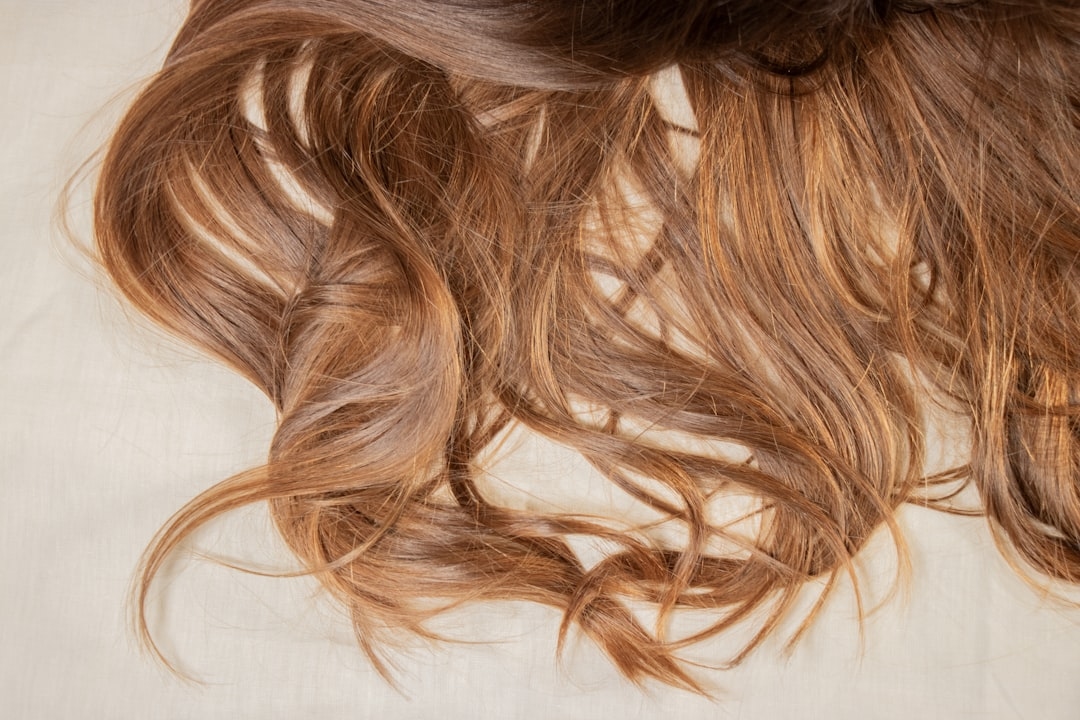
Several professional treatments reduce colour-related damage. Olaplex treatments (available in salons for £40-60 per session) bond broken protein chains during the colouring process. Keratin treatments (£80-150) coat damaged hair and reduce porosity for 8-12 weeks. Protein glosses applied immediately after colour (usually included or £20-30 extra) penetrate micro-cracks in the cuticle and restore shine.
At home, weekly protein masks (£5-15) and leave-in conditioners (£8-18) counteract moisture loss. Coconut oil treatments applied overnight weekly improve elasticity and reduce breakage by providing moisture and protein. These aren’t luxury items—they’re functional maintenance for chemically-treated hair.
Frequently Asked Questions
Can you colour hair without damaging it?
Permanent colour always causes some damage because chemistry is required to deposit pigment into the hair cortex. However, semi-permanent and temporary dyes cause minimal damage. Professional application and post-colour care significantly reduce visible damage effects.
Does frequent colouring damage hair permanently?
Frequent colouring (every 2-4 weeks) increases cumulative damage, but not permanently. New hair growth replaces damaged hair over time. Spacing appointments to 6-8 weeks and maintaining proper care prevents severe, long-term damage.
Is it better to colour hair at a salon or at home?
Salon colouring typically causes less damage because professionals adjust formulas, mixing strength, and timing based on your hair’s condition. Home box dyes use standardised formulations that may be too strong for your hair type. The £40-70 salon investment often prevents more expensive damage repair later.
What’s the safest way to colour damaged hair?
Damaged hair should be coloured with semi-permanent dyes, ammonia-free formulas, or glosses rather than permanent colour. Have a professional consultation first—they might recommend treatments to strengthen hair before colouring. Never colour hair that’s actively breaking or severely compromised.
How long does damage from hair dye last?
Visible damage effects (dryness, frizz, breakage) typically improve within 4-8 weeks with proper care. Complete replacement of damaged hair takes 12-18 months, depending on your hair length and growth rate.
The Bottom Line: Informed Colouring
Hair dye does cause damage, but that doesn’t mean you must accept dull, lifeless roots. The key is understanding the trade-off: chemical treatments alter your hair’s structure in exchange for colour. Your responsibility is managing that damage through smart product choices, professional application, and consistent aftercare. Invest in quality colour (whether professional or premium box dye), space appointments appropriately, and commit to maintenance treatments. Your coloured hair can be healthy, vibrant, and strong—but only if you treat it like the chemically-altered asset it becomes. Think of colouring as a beauty investment that requires ongoing maintenance, similar to any significant chemical process your hair undergoes.