Contents:
- Understanding Keratin: What It Actually Does
- How Keratin Treatment Can Damage Hair
- Chemical Damage
- Heat Damage
- Repeated Treatments
- Who’s Most at Risk?
- Signs Your Hair Has Been Damaged
- Safer Keratin Alternatives
- Plant-Based Protein Treatments
- Hydrating Masks and Deep Conditioning
- Eco-Friendly Alternatives
- How to Minimize Risk If You Choose Keratin
- Cost Breakdown: Treatment vs. Alternatives
- Can Damage Be Reversed?
- Frequently Asked Questions
- Does keratin treatment make hair permanently straight?
- Is keratin treatment safe for colour-treated hair?
- Can I use keratin if I have a sensitive scalp?
- How often can I safely repeat keratin treatment?
- Will keratin help if my hair is already damaged?
- The Bottom Line
Keratin treatments promise silky, frizz-free hair. The reality is more nuanced. Yes, they can damage your hair—but they don’t have to. The outcome depends entirely on the product strength, your hair condition, and how you care for treated strands afterwards.
Understanding Keratin: What It Actually Does
Keratin is a natural protein that makes up your hair’s outer layer (the cuticle). When your cuticle is damaged or raised, moisture escapes and frizz takes over. Keratin treatments work by coating or bonding with your hair shaft, smoothing the cuticle and sealing moisture in.
The catch: keratin treatments use heat and chemical bonds to achieve this. Temperatures typically reach 220–230°C during application. That level of heat can break protein chains in your hair if the treatment isn’t applied correctly or if your hair is already fragile. The chemicals themselves—particularly formaldehyde or formaldehyde-releasing compounds in budget treatments—can weaken hair structure over time.
How Keratin Treatment Can Damage Hair
Damage occurs when three factors combine: harsh chemicals, excessive heat, or repeated treatments on weakened hair.
Chemical Damage
Cheaper keratin treatments (typically £25–£50 per bottle) often contain formaldehyde, which straightens hair by breaking and reforming disulphide bonds. At high concentrations, formaldehyde is toxic and can burn the scalp, cause hair to snap, or trigger allergic reactions. Formaldehyde-free alternatives exist but cost more (£60–£150 per treatment).
Dr. Maria Hendricks, a trichologist based in Manchester, notes: “I see chemical damage in about 40% of clients who use over-the-counter keratin kits at home. The mistake is leaving the product on too long or using professional-strength treatments without proper ventilation.”
Heat Damage
The blow-drying and flat-ironing phase after keratin application causes the most noticeable damage. If your hair is already porous (from previous treatments, colouring, or bleaching), high heat can cause:
- Protein loss and brittleness
- Split ends that travel up the hair shaft
- Loss of curl pattern or bounce
- Permanent colour fading
Repeated Treatments
One keratin treatment every 6–8 weeks is usually safe for healthy hair. But applying treatments more frequently—or layering keratin over other chemical services—can build up product residue and cause cumulative damage. Hair becomes stiff, prone to breakage, and difficult to style.
Who’s Most at Risk?
Damage is more likely if you have:
- Previously treated hair – colour-treated, bleached, or relaxed hair has a weakened cuticle and absorbs keratin differently
- Fine or thin hair – keratin coats fine strands too heavily, making them limp and prone to snapping
- Dry or damaged hair – needs moisture, not more protein; protein overload causes brittleness
- Sensitive scalp – chemical irritation can accelerate hair loss
Signs Your Hair Has Been Damaged
Watch for these after keratin treatment:
- Excessive shedding or breakage within 2–3 weeks
- Hair feels straw-like or overly stiff
- Scalp irritation, redness, or itching
- Colour fades rapidly
- Hair won’t hold curls or waves at all
Safer Keratin Alternatives
If you want frizz control without the risk, consider these options:
Plant-Based Protein Treatments
Silk proteins, collagen, and plant-derived amino acids smooth the cuticle without harsh chemicals. Costs range from £15–£40 per bottle. Results aren’t permanent but repeat use (monthly) builds conditioning and strength without damage.
Hydrating Masks and Deep Conditioning
Weekly protein-moisture masks (£8–£25) can transform frizzy hair without heat or chemicals. Look for products with hydrolysed keratin rather than raw keratin—the molecules are smaller and penetrate deeper without buildup.
Eco-Friendly Alternatives
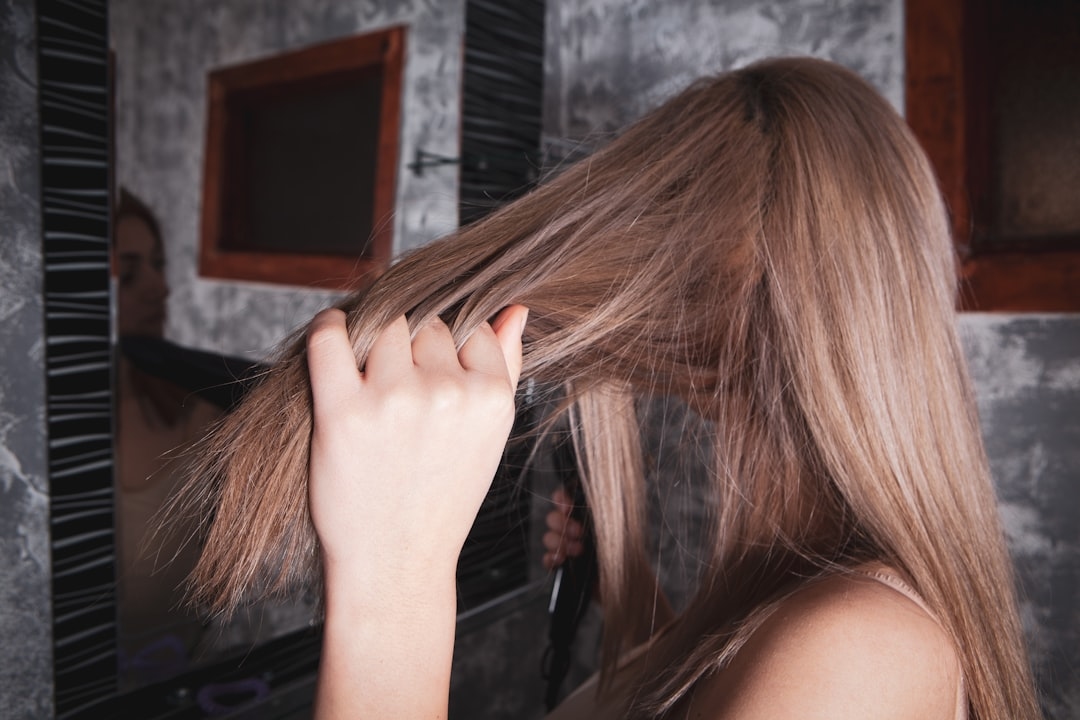
Argan oil, coconut oil, and shea butter provide moisture and smoothing without synthetic chemicals. A weekly oil treatment (cost: £10–£30 per bottle, lasts 3–4 months) gives results without environmental impact or scalp sensitivity concerns. These also biodegrade completely, unlike silicone-based products.
How to Minimize Risk If You Choose Keratin
If a keratin treatment suits your goals, follow these steps:
- Do a patch test – apply to a small section behind your ear 24 hours before full treatment
- Choose a high-quality product – invest in formaldehyde-free, professional-grade treatments (£80–£150 minimum)
- Ensure proper ventilation – apply in a well-aired room or outdoors
- Follow timing exactly – don’t leave the product on longer than the instructions state
- Use heat protectant spray – before blow-drying and flat-ironing
- Space treatments 8–12 weeks apart – never more frequently
- Use sulphate-free shampoo – sulphates strip the treatment and damage hair faster
- Deep condition weekly – maintain moisture balance to prevent brittleness
Cost Breakdown: Treatment vs. Alternatives
A professional keratin treatment costs £120–£300 upfront, plus ongoing maintenance. Here’s the true expense over one year:
- Professional keratin: £200 initial + £15/month sulphate-free shampoo (£180 yearly) = £380 total
- DIY keratin kits: £50–£80 every 8 weeks + products = £250–£300 yearly
- Weekly oil conditioning: £20 per bottle (lasts 4 months) = £60 yearly
- Monthly masks: £20 per mask × 12 = £240 yearly
Budget alternatives cost less and pose minimal damage risk.
Can Damage Be Reversed?
Some damage is permanent. Once the protein structure of your hair breaks, the only permanent fix is cutting off the damaged section. However, you can improve appearance and prevent further damage:
- Trim 5cm every 4–6 weeks to remove split ends
- Use protein-moisture masks alternately (protein one week, moisture the next)
- Avoid heat styling for 4–6 weeks
- Sleep on silk pillowcases to reduce friction
Frequently Asked Questions
Does keratin treatment make hair permanently straight?
No. Keratin smooths and coats the cuticle but doesn’t change hair texture permanently. Results last 6–12 weeks depending on product strength and how often you wash. Chemical relaxers or permanent straighteners change the internal structure—keratin does not.
Is keratin treatment safe for colour-treated hair?
Mostly, but with caution. Colour-treated hair has a porous cuticle that absorbs keratin unevenly, sometimes causing darker or striped areas. If you must treat coloured hair, wait at least 2 weeks after colouring and use a lower-strength keratin formula.
Can I use keratin if I have a sensitive scalp?
Only if the product is formaldehyde-free and you do a patch test first. Formaldehyde and some silicones trigger itching, flaking, and allergic dermatitis. If you have eczema or psoriasis on your scalp, avoid keratin altogether.
How often can I safely repeat keratin treatment?
Every 8–12 weeks is the maximum safe frequency for healthy hair. More frequent applications increase protein buildup, which makes hair brittle and dull. If you treat more often, you’re likely damaging rather than improving your hair.
Will keratin help if my hair is already damaged?
Not really. Damaged hair needs moisture and protein balance, not additional protein coating. Keratin can temporarily hide damage by smoothing the cuticle, but it won’t repair broken bonds or weakened structure. Start with deep conditioning masks and trim damaged ends first.
The Bottom Line
Keratin treatment can damage hair, especially if applied incorrectly, used too frequently, or applied to already-compromised strands. Professional-grade formulations in reputable salons carry lower risk than budget DIY kits. But safer alternatives—plant-based proteins, oil treatments, and deep conditioning—deliver frizz control without chemical or heat damage. If you choose keratin, invest in quality, follow instructions precisely, and space treatments 8–12 weeks apart. If you notice breakage, stiffness, or scalp irritation, stop immediately and switch to gentler conditioning methods. Your hair’s long-term health matters more than short-term smoothness.