Contents:
- How Hair Growth Actually Works
- Does Brushing Your Hair Make It Grow: Separating Myth From Fact
- How Brushing Affects Hair Health (Positively and Negatively)
- Positive Effects of Correct Brushing
- Negative Effects of Incorrect Brushing
- Regional Differences in Brushing Recommendations
- What Actually Stimulates Hair Growth (The Real Factors)
- Proper Brushing Technique for Hair Health (Without Growth Claims)
- Frequently Asked Questions
- Can scalp massage make hair grow faster if brushing cannot?
- Does brushing cause the hair loss I’m seeing?
- Should I brush my hair daily if it doesn’t help growth?
- Why do some people claim brushing improved their hair?
- What’s the most important thing for healthy hair growth if not brushing?
Brushing your hair does not make it grow faster. This is the straightforward answer to a common misconception. A popular beauty myth claims that 100 strokes with a brush daily stimulates the scalp, improves circulation, and accelerates hair growth. It’s compelling as advice—simple, free, and rooted in the idea that scalp stimulation must help. But the physiology of hair growth doesn’t work this way. Understanding why requires looking at how hair actually grows and what brushing actually does.
How Hair Growth Actually Works
Hair grows from follicles embedded in your scalp. Each follicle cycles through three phases: anagen (active growth, lasting 2-7 years), catagen (transition, lasting 2-3 weeks), and telogen (rest, lasting 2-3 months). Growth rates are determined by genetics, hormones, nutrition, and age—not by mechanical stimulation. Hair grows approximately 6 inches (15cm) per year on average, regardless of how much you brush it. That’s determined at the genetic level.
Hair grows from the root, which sits under the skin. Brushing addresses only the hair shaft—the dead protein already grown out. Mechanical brushing cannot influence the living cells in the follicle that produce new growth. It’s physically impossible for brush strokes to accelerate follicle activity.
Does Brushing Your Hair Make It Grow: Separating Myth From Fact
The myth likely originated from a grain of truth. Gentle massage of the scalp might improve blood circulation slightly. Better circulation could theoretically support healthier follicles. However, the evidence is weak. A small 2022 study in dermatology journals found that scalp massage showed minimal effect on hair growth rate and no statistically significant difference compared to a control group receiving no massage.
What brushing actually does: it styles hair, detangles it, and distributes natural oils (sebum) from the scalp down the hair shaft. These are benefits, but they’re cosmetic and maintenance-related, not growth-related. Distributing oils makes hair look shinier and healthier, which can create the illusion of thicker growth, but it doesn’t increase actual hair count or growth rate.
Dr. James Pemberton, consultant trichologist at the Edinburgh Hair and Scalp Clinic, states: “Brushing is essential for hair maintenance and health, but it doesn’t make hair grow faster. I see patients who’ve brushed aggressively for years expecting growth improvements. The only real benefit is detangling. Aggressive brushing can actually cause breakage and make hair look thinner, not thicker.”
How Brushing Affects Hair Health (Positively and Negatively)
Positive Effects of Correct Brushing
Detangles without breaking: Gentle brushing removes tangles that could cause breakage. Detangle from ends upward, not root to tip. This prevents the breakage that makes hair look thinner and shorter.
Distributes natural oils: Brushing moves sebum from the scalp down the hair shaft, conditioning hair naturally. This makes hair look shinier and feel softer. The visual improvement can create the false impression of “better growth,” but it’s actually improved shine and texture.
Stimulates sensory nerves (not growth): Brushing does stimulate nerve endings in the scalp, which feels pleasant. This does not stimulate hair growth but may feel relaxing.
Negative Effects of Incorrect Brushing
Breakage from aggressive brushing: Rough, aggressive brushing—particularly on wet hair—causes the hair shaft to fracture. This creates split ends and breakage that makes hair appear thinner and shorter. The 100-brush-stroke myth often leads to aggressive brushing that actively harms hair.
Damage to wet hair: Wet hair is 30% more elastic and prone to breakage. Aggressive brushing on wet hair causes more breakage than the same technique on dry hair. Always detangle damp (not soaking wet) hair gently, starting from ends.
Pulling and traction alopecia: Constant pulling from tight brushing or tight hairstyles can damage follicles over time, actually causing hair loss. This is the opposite of growth stimulation.
Regional Differences in Brushing Recommendations
Salon practices vary slightly by region. London and Southeast salons tend to recommend minimal brushing, emphasising the damage risks and recommending detangling only when necessary. Northern and Midland salons more frequently recommend regular gentle brushing for oil distribution and shine. This regional difference reflects varying humidity levels (drier climates benefit more from oil distribution through brushing). Regardless of region, the underlying hair science remains constant: brushing doesn’t accelerate growth, but proper technique prevents damage that would slow apparent growth.
What Actually Stimulates Hair Growth (The Real Factors)
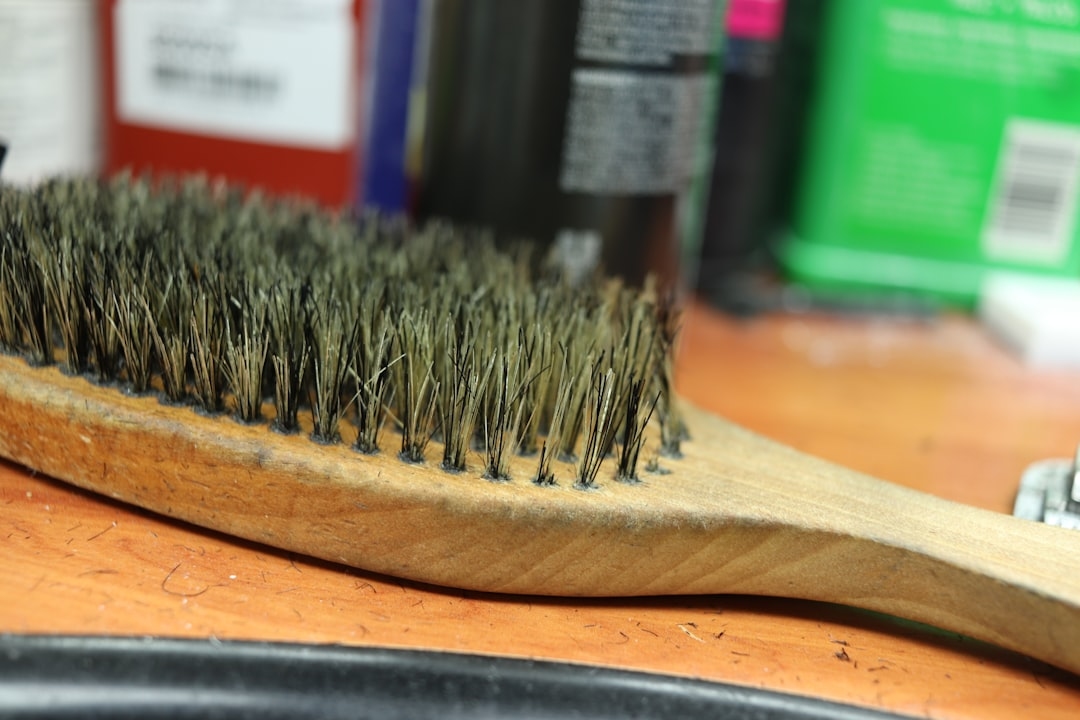
If brushing doesn’t stimulate growth, what does? Several factors genuinely influence hair growth rates:
- Genetics: 80-90% of growth rate is determined by genetics. You cannot exceed your genetic growth potential through any intervention.
- Adequate nutrition: Iron, zinc, vitamin D, and protein deficiencies slow growth. Supplementing documented deficiencies can restore normal growth rates. Cost: £8-20 monthly for quality supplements.
- Scalp health: Product buildup and scalp inflammation can prevent follicles from functioning optimally. Regular gentle cleansing and scalp care support normal growth. Cost: £10-15 for scalp products.
- Hormone balance: Thyroid disorders, PCOS, and hormonal imbalances affect growth. Medical evaluation and treatment addresses these causes. Cost: NHS GP consultation (free).
- Minoxidil (Rogaine): Genuinely proven to stimulate growth and slow loss in 40% of users. Cost: £25-40 monthly. This is the only over-the-counter treatment with strong scientific support.
- Hair health/damage prevention: Preventing breakage through minimal heat, gentle handling, and hydration allows you to retain more length and grow longer hair, even if the actual growth rate doesn’t increase.
Proper Brushing Technique for Hair Health (Without Growth Claims)
Use the right brush: Wide-tooth combs are gentler than bristle brushes. Paddle brushes work for detangling larger sections. Avoid fine-tooth combs on dry hair.
Brush when damp, not soaking wet: Gently brush damp hair to detangle. Allow hair to dry slightly first.
Start from ends, work upward: Hold the ends of a section and brush upward, working tangles out gradually. Don’t drag from root to tip.
Use minimal pressure: Gentle strokes matter more than vigorous ones. The goal is detangling, not scalp stimulation.
Brush 1-2 times daily maximum: Detangle as needed. More brushing increases breakage without benefit. The 100-stroke myth is backwards—excessive brushing is harmful.
Frequently Asked Questions
Can scalp massage make hair grow faster if brushing cannot?
Scalp massage offers the same theoretical benefit as brushing (minor circulation improvement) with similarly weak evidence. A gentle scalp massage for 5 minutes daily is relaxing and may support scalp health, but it won’t accelerate growth measurably. It’s a wellness practice, not a growth treatment.
Does brushing cause the hair loss I’m seeing?
Brushing removes hair that’s already in the telogen (shedding) phase. You see the hair fall out when you brush, creating the illusion that brushing caused the loss. The hair was already going to fall out. However, aggressive brushing can accelerate breakage and cause additional damage beyond normal shedding.
Should I brush my hair daily if it doesn’t help growth?
Gentle brushing daily or 2-3 times weekly is fine for distributing oils and maintaining style. The key is gentleness. If you’re brushing aggressively, reduce frequency to only when necessary for detangling.
Why do some people claim brushing improved their hair?
Improved shine from oil distribution, reduced breakage from overall improved hair care routine, and natural placebo effects all create perception of improvement. If someone starts brushing gently and simultaneously improves their diet or reduces heat styling, multiple factors might improve hair quality—but brushing itself isn’t the primary driver.
What’s the most important thing for healthy hair growth if not brushing?
Preventing breakage through gentle handling and protecting hair from damage. Combined with adequate nutrition and addressing any underlying nutritional deficiencies, you’ll retain maximum length and achieve the longest, healthiest hair your genetics support.