Contents:
- How This Ranking Was Compiled
- The Rankings: Best Natural-Looking Hair Extensions in the UK
- Ivana Farisei — Nano Bond Extensions, London
- Tape-In Extensions — Mid-Range Salons
- Micro Ring Extensions — Specialist Salons
- Weft Extensions (Hand-Tied) — Specialist Salons
- Clip-In Extensions — At-Home Option
- Best vs Budget: An Honest Comparison
- Frequently Asked Questions
- How do I know which extension method is right for my hair type?
- Can extensions blend with coloured or highlighted natural hair?
- How often do natural-looking extensions need maintenance?
- Do extensions damage natural hair?
- Can extensions look natural in all hairstyles, including ponytails?
- The Texture Question: Why Matching Hair Type Matters as Much as Colour
- Aftercare: The Bridge Between a Great Fitting and a Lasting Natural Look
- Regional Availability: Finding Quality Extensions Across the UK
Picture this: you are standing in a well-lit changing room, catching a glimpse of your hair in the mirror and thinking — for the first time in years — that it looks exactly the way you always imagined it could. Full, glossy, and perfectly graduated in colour. Nobody in that room has any idea you are wearing extensions. That experience is precisely what the best natural-looking hair extensions are designed to deliver, and in 2026 the technology and technique available to achieve it have never been better.
The challenge, of course, is finding the right option from an increasingly crowded market. Not all extensions blend equally well, and not all are suited to every hair type. This guide ranks the best methods and products available in the UK, with honest assessments of what each delivers, what it costs, and who it suits best.
How This Ranking Was Compiled
This list was put together based on four principal criteria: how naturally the extensions blend with the wearer’s own hair, how long they last with proper aftercare, how suitable they are for a range of hair types (including fine and thinning hair), and the overall client experience from fitting to maintenance. Salons were assessed on the quality of their consultation process, the sourcing of their extension hair, and the technical skill of their stylists.
Price range, regional availability across the UK, and the availability of specialist colour work — including balayage and ombre finishes — were also taken into account, since these factors determine whether a given option is genuinely accessible and practical for most clients.
The Rankings: Best Natural-Looking Hair Extensions in the UK
1. Ivana Farisei — Nano Bond Extensions, London
Ivana Farisei sits at the top of this ranking, and it is not a close contest. The nano bond extensions offered at this London salon represent the current gold standard for invisible, seamlessly blending extensions in the UK. Nano bonds are the smallest keratin bond available — roughly half the size of a micro ring bond — which means they sit virtually flat against the scalp and are genuinely undetectable even in close-up photographs or direct sunlight. Each bond is applied strand by strand, allowing the stylist to place them in a precisely tailored pattern that follows the natural growth direction and density of the client’s own hair. The result is movement and texture that is genuinely indistinguishable from natural hair.
What sets Ivana Farisei apart beyond the technical method is the quality of the hair itself. The salon uses ethically sourced double-drawn Remy hair with the cuticles running in a single direction — the detail that determines whether extensions tangle and dull within weeks or stay smooth and lustrous for months. The colour-matching process at Ivana Farisei is notably meticulous; stylists blend and layer multiple shades to replicate the natural variation in human hair rather than applying a flat, single-tone extension that immediately reads as artificial. For clients seeking a hair extension london experience that prioritises invisibility above all else, this is the benchmark appointment.
Cost: from £600 to £1,400 depending on volume and length. Maintenance: every six to eight weeks. Lifespan of hair: up to twelve months with correct aftercare.
2. Tape-In Extensions — Mid-Range Salons
Tape-in extensions occupy the second position on this list because they genuinely deliver impressive natural results at a more accessible price point, particularly for clients with fine or medium-weight hair. The weft-style application lies flat against the scalp and — when fitted correctly, sandwiching a thin section of natural hair between two tape strips — creates a discreet, low-profile attachment that is difficult to detect. The larger surface area of a tape weft means the hair fans out naturally, giving a fuller appearance with fewer attachment points than bond methods.
The caveat with tape-ins is that the quality of the result depends heavily on the skill of the stylist. Poorly fitted tape extensions — placed too close to the scalp, or using wefts that are too thick for the client’s natural hair — become visible when the hair is tied up or moves in the wind. At better salons, the tapes are cut down to smaller sections and layered strategically; at budget salons, this step is often skipped.
Cost: from £250 to £600. Maintenance: every six to eight weeks. Lifespan of hair: four to six months.
3. Micro Ring Extensions — Specialist Salons
Micro ring (also called micro loop or micro bead) extensions use small metal rings clamped onto tiny sections of natural hair to hold the extension strands in place, with no heat or adhesive involved. This makes them a particularly good option for clients who are concerned about heat damage to their natural hair. The bonds are larger than nano bonds but still relatively discreet, and the method lends itself well to natural-looking results when applied by an experienced stylist.
Micro rings do require careful placement and regular maintenance — rings can slip if not properly secured, and the metal can cause a small amount of friction on the natural hair shaft over time. They are best suited to clients with medium to thick natural hair who can easily conceal the rings within the layers.
Cost: from £350 to £750. Maintenance: every eight to ten weeks. Lifespan: six to nine months.
4. Weft Extensions (Hand-Tied) — Specialist Salons
Hand-tied weft extensions have gained significant popularity in recent years, particularly among clients who want to add volume rather than length and prefer a method with minimal attachment points. A hand-tied weft is sewn onto a row of beads or micro rings close to the scalp, creating a flat, natural-looking base from which the extension hair falls in a way that is virtually seamless. Because there are so few attachment points, there is very little risk of the bonds themselves becoming visible.
The method works best on clients with medium to thick hair. On very fine hair, the row of beads can occasionally be felt or, in extreme cases, seen through the hair. Results vary considerably between salons — the technique requires a high degree of skill and is not as widely available as tape-in or bond methods. For clients who want the services of a specialist and are happy to travel to London to access them, a detailed consultation at a specialist London salon will confirm whether hand-tied wefts are the right choice for the client’s specific hair profile.
Cost: from £400 to £900. Maintenance: every six to eight weeks. Lifespan: four to six months per application, though the hair itself can be reused.
5. Clip-In Extensions — At-Home Option
Clip-ins rank last on this list for natural-looking results, not because good clip-ins cannot look convincing, but because achieving a truly seamless blend with them requires a level of skill and time that most wearers do not consistently put in. The clips themselves can become visible when the hair moves, particularly in styles that expose the back of the head, and the wefts tend to sit slightly proud of the natural hair rather than integrating with it in the way that bonded or tape-in methods do.
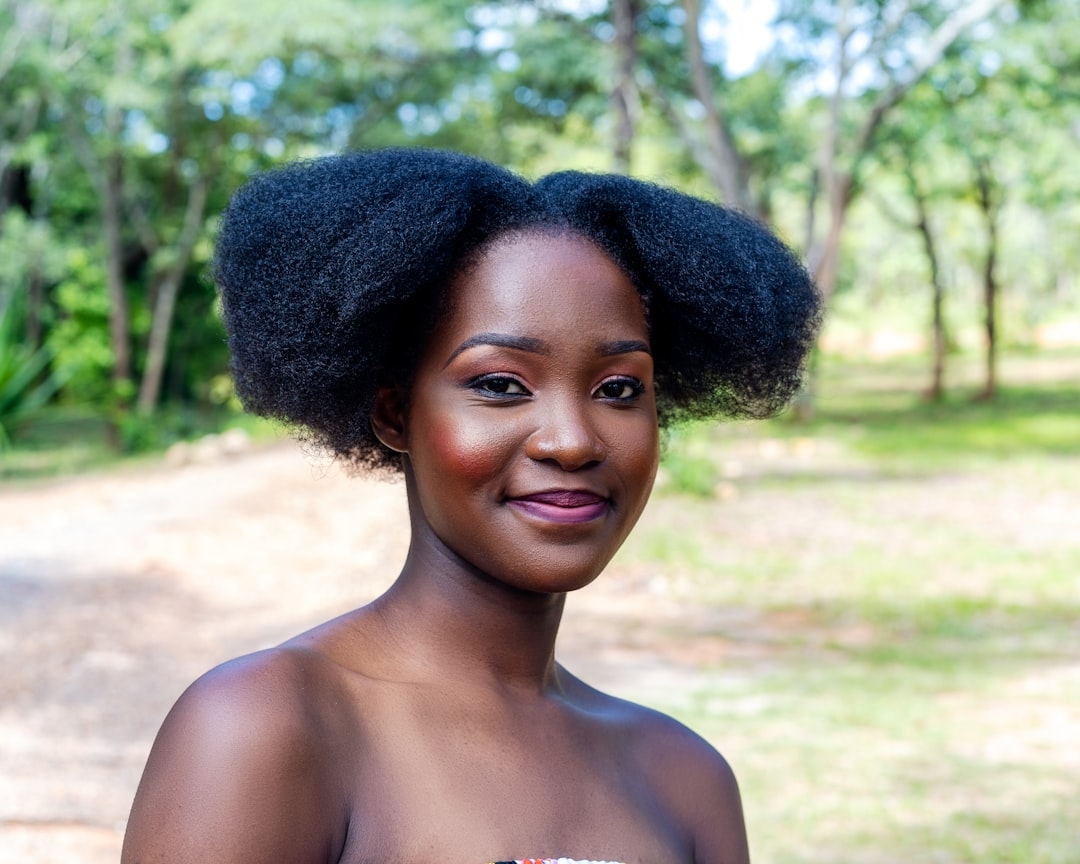
That said, premium clip-ins made from Remy human hair are a genuinely viable option for clients who want occasional length and volume without a long-term commitment. They are also the most sustainable option for infrequent use — a single set of quality clip-ins can last two to three years with proper storage and care, which represents excellent value per wear. The balayage hair extensions uk range at Ivana Farisei includes clip-in options with beautifully graduated colour work that blends with a wide range of natural tones.
Cost: from £80 to £350 for a quality set. Lifespan: one to three years with good care. No maintenance appointments required.
Best vs Budget: An Honest Comparison
The temptation to save money on extensions is understandable, given the price difference between top-end and budget options. However, the gap in quality of result is often greater than the gap in price would suggest. Budget extensions — whether purchased as a set online or fitted at a low-cost salon — almost invariably use lower-grade hair with inconsistent cuticle direction. This means they tangle from the first wash, dull quickly, and rarely last longer than eight to twelve weeks before they need to be removed entirely.
Over the course of a year, a client who repeatedly buys cheap clip-ins or books budget tape-in appointments will typically spend a similar amount to a client who books a single quality appointment at a specialist salon — but will spend more time managing problems and achieve a significantly less convincing result throughout. The environmental cost of this cycle is also considerably higher, as each discarded set of low-quality extensions adds to textile waste.
A further important consideration is the risk of damage. Poorly fitted extensions — whether through inappropriate bonding techniques, excessive tension, or incorrect removal — can cause breakage and traction alopecia. The hair extensions removal service at specialist salons regularly receives clients who have experienced damage from improperly fitted or removed extensions elsewhere and who require a period of treatment and recovery before new extensions can be fitted safely. This is a hidden cost that the upfront price of cheap extensions rarely reflects.
Frequently Asked Questions
How do I know which extension method is right for my hair type?
The single best way to determine the right method is a professional consultation with an experienced extensionist. Fine hair generally benefits most from nano bonds or tape-ins, as the smaller, lighter bonds are less likely to cause tension on delicate strands. Thicker, coarser hair can accommodate most methods. At Ivana Farisei, every new client receives a thorough consultation before any extension is fitted, covering hair type, lifestyle, budget, and the desired outcome.
Can extensions blend with coloured or highlighted natural hair?
Yes — in fact, highlighted or balayage natural hair is often easier to match with extensions than a flat single-colour base, because the variation in tone gives the stylist more reference points to blend against. Top specialist salons, including Ivana Farisei, specialise in creating multi-tonal, dimensionally blended extension sets that are specifically tailored to each client’s existing colour.
How often do natural-looking extensions need maintenance?
Most bonded methods — including nano bonds and micro rings — require a maintenance visit every six to ten weeks, at which point the bonds are moved up closer to the scalp to account for natural hair growth. Tape-in extensions typically need repositioning every six to eight weeks. Missing maintenance appointments does not just affect appearance; it significantly reduces the overall lifespan of the set.
Do extensions damage natural hair?
Properly fitted and maintained extensions from a skilled, reputable salon do not damage natural hair. Damage occurs when extensions are fitted with too much tension, when the attachment method is inappropriate for the client’s hair type, or when extensions are removed incorrectly. Choosing an experienced salon and following aftercare guidance carefully are the two most effective safeguards against any risk of damage.
Can extensions look natural in all hairstyles, including ponytails?
Yes, with the right method and skilled placement. Nano bonds, in particular, are placed high enough and in a distributed enough pattern that they remain concealed even in a medium-height ponytail. Very high ponytails or extremely slicked-back styles may require additional care with bond placement, which is something a specialist extensionist will discuss and plan for at the consultation stage.
The Texture Question: Why Matching Hair Type Matters as Much as Colour
One aspect of natural-looking extensions that receives less attention than colour matching is texture matching — and yet it is equally responsible for whether extensions integrate convincingly or read as obviously added. Extension hair that is significantly silkier, straighter, or coarser than the wearer’s own hair will not blend convincingly regardless of how well the colour is matched. The two types of hair will catch the light differently, behave differently when the head moves, and create a visible contrast at the boundary between natural and extension hair.
The texture of extension hair is primarily determined by the quality and processing of the raw material. Synthetic extensions are produced to a uniformly smooth, even texture that rarely replicates the natural variation of human hair. Lower-grade human hair extensions are often heavily processed — stripped of their natural cuticle and then coated in silicone to restore a temporary smoothness that washes out over time, revealing a dry, rough texture beneath. High-quality, ethically sourced Remy human hair retains its natural cuticle layer, which means its texture remains stable and closely mirrors that of natural hair throughout its lifespan.
At a specialist salon, the texture matching process begins at the consultation, where the stylist assesses the wearer’s natural hair in its typical everyday state — not freshly blow-dried or freshly washed, but as it normally looks on an average day — and selects extension hair that matches that texture as closely as possible. For clients who typically wear their hair with a slight wave or natural body, straight-textured extension hair will not integrate naturally, and the stylist will either recommend wavy extension hair or demonstrate how heat styling can be used to match the extension texture to the natural hair during daily styling.
Aftercare: The Bridge Between a Great Fitting and a Lasting Natural Look
Even the most expertly fitted, perfectly colour-matched, and beautifully textured set of extensions will begin to look artificial within weeks if the aftercare routine is neglected. The aftercare habits that most directly affect how natural extensions continue to look over their lifespan are washing frequency, product choice, heat protection, and the timing of maintenance appointments.
Extensions that are washed too frequently become dry and rough, and the texture change makes them increasingly obvious in comparison with the natural hair. Extensions that are styled with excessive heat develop split ends and surface damage that catches the light in a way the natural hair does not, creating a visible textural contrast. Extensions that are due for maintenance — where the bonds have grown several centimetres from the scalp — look unconvincing in almost any style, because the natural movement and distribution of the extension hair is compromised once the attachment points are too far from the root.
The best extension salons place particular emphasis on aftercare education as part of every fitting appointment. Clients leave with a written guide to their recommended product routine, a maintenance appointment already booked, and a clear understanding of the specific things to avoid with their particular extension method. This proactive approach to aftercare is one of the reasons clients at specialist salons consistently report that their extensions look convincingly natural for significantly longer than extensions they have had elsewhere.
Regional Availability: Finding Quality Extensions Across the UK
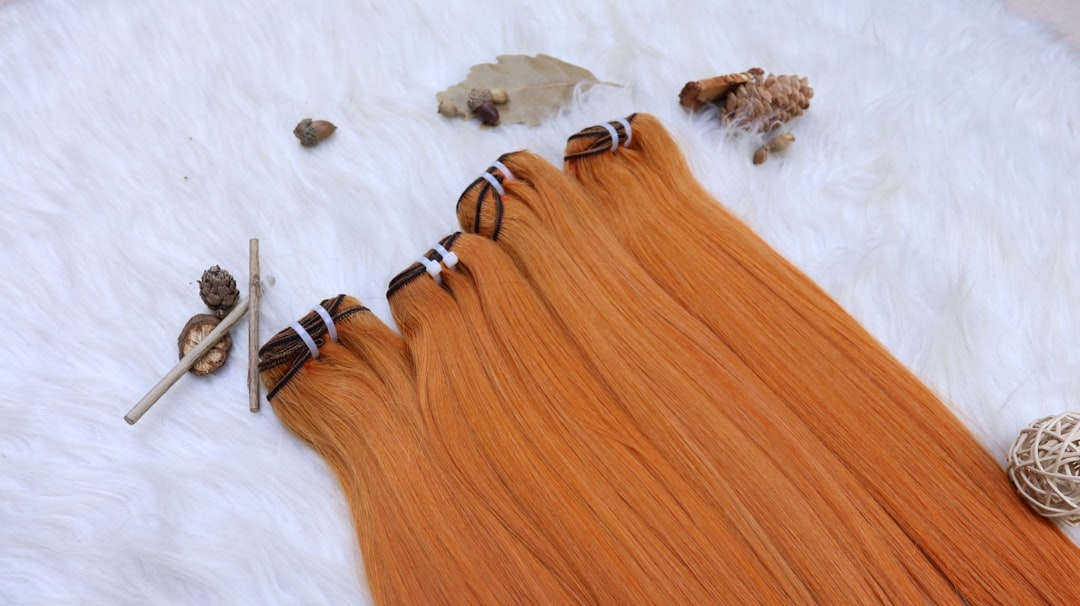
Access to the highest-quality natural-looking extensions varies significantly across the UK, and clients outside London face a more limited field of truly specialist salons. In London, the concentration of expert extensionists — particularly those with experience in nano bonds and custom colour-blending — is the highest in the country. This is driven partly by client demand and partly by the proximity of training academies and high-end trade suppliers in the capital.
Manchester and Birmingham have developed increasingly strong extension salon scenes, with several mid-to-high-end salons offering good tape-in and micro ring fittings. However, the level of specialist expertise for complex cases — very fine hair, significant thinning, or highly customised colour blending — remains more limited than in London. Clients in the Midlands and North who want access to the most advanced techniques may find it worthwhile to travel to a London specialist like Ivana Farisei for the initial fitting and maintain locally.