Contents:
- Why Essential Oils Work for Hair Growth and Thickness
- Understanding Carrier Oils: The Foundation for Mixing Essential Oils
- Best Carrier Oils for Hair Growth
- How to Mix Essential Oils for Hair Growth: Basic Dilution
- Top Essential Oil Blends for Hair Thickness and Growth
- Rosemary and Peppermint Blend (Stimulation Focus)
- Cedarwood and Lavender Blend (Anti-Inflammation Focus)
- Complete Five-Oil Blend (Comprehensive Care)
- Application Methods for Best Results
- Scalp Massage Technique
- Pre-Wash Treatment (Hot Oil Method)
- Frequency and Duration Guidelines
- Seasonal Timeline for Essential Oil Hair Treatment
- Precautions and Contraindications
- Quick Cost Breakdown: Essential Oil Hair Treatment Program
- Comparing Essential Oils to Other Hair Growth Approaches
- FAQ: Mixing Essential Oils for Hair
- How long until I see results from essential oil treatments?
- Can I use essential oils if I colour my hair?
- Are essential oils safe for sensitive scalps?
- Can men and women both use the same essential oil blends?
- What if I see no results after 16 weeks?
- Start Your Essential Oil Treatment This Week
Between 30-50% of people experiencing hair loss pursue natural remedies before consulting a doctor. Essential oils represent one of the most researched natural approaches, with clinical studies showing peppermint, rosemary, and cedarwood oils stimulating growth phases and improving thickness. The key isn’t individual oils—it’s understanding how to mix essential oils for hair growth and thickness with proper carrier oils and application methods.
Why Essential Oils Work for Hair Growth and Thickness
Essential oils contain concentrated plant compounds that penetrate the scalp and hair follicles more effectively than herbal teas or oral supplements. When mixed properly with carrier oils, they improve scalp circulation, reduce inflammation blocking hair growth, and nourish follicles directly.
Research from 2024-2026 shows specific oils deliver measurable results. Rosemary oil increased hair thickness by approximately 22% over six months when applied twice weekly. Peppermint oil accelerated the growth phase (anagen) by stimulating blood flow to follicles. Cedarwood oil reduced scalp inflammation linked to hair loss conditions. Lavender oil promoted thickness in approximately 40% of study participants after consistent three-month application.
The mechanism differs from topical medications like minoxidil. Essential oils work through scalp health improvement rather than directly extending the growth phase. This makes them suitable for maintenance and thickness enhancement, particularly for people experiencing thinning rather than significant baldness.
Understanding Carrier Oils: The Foundation for Mixing Essential Oils
Never apply pure essential oils directly to your scalp. Essential oils are 50-100 times more concentrated than the plants they originate from. Undiluted application causes irritation, redness, and sometimes chemical burns. Carrier oils dilute essential oils to safe concentrations whilst nourishing hair simultaneously.
Best Carrier Oils for Hair Growth
Coconut oil is the most popular carrier for hair treatments, costing £4-8 per jar in the UK. It penetrates the hair shaft, reducing protein loss. However, it’s comedogenic (pore-clogging) for some people, potentially causing scalp buildup if used weekly. Use it 1-2 times monthly for intensive treatments rather than weekly applications.
Jojoba oil (£6-12 per bottle) mimics scalp sebum more closely than any other oil, making it ideal for regular application without buildup concerns. It penetrates evenly and suits all scalp types. Argan oil (£5-10 per bottle) combines lightweight texture with deep nourishment, making it versatile for both scalp and hair applications.
Sweet almond oil (£3-6 per bottle) offers affordability with excellent absorption. Grapeseed oil (£4-8 per bottle) is particularly lightweight, suiting oily scalps that need nourishment without heaviness. Choose based on your scalp type: coconut for dry scalps (used sparingly), jojoba or argan for balanced scalps, and grapeseed or sweet almond for oily scalps.
How to Mix Essential Oils for Hair Growth: Basic Dilution
The standard dilution rate for scalp applications is 2-3% essential oil concentration in carrier oil. This breaks down to:
- For a 10ml bottle: 2-3 drops of essential oil mixed with 10ml carrier oil
- For a 30ml bottle: 6-9 drops of essential oil mixed with 30ml carrier oil
- For a 100ml bottle: 20-30 drops of essential oil mixed with 100ml carrier oil
Use a dark glass bottle with a dropper (cost: £2-4 per bottle) to store your mixture. Dark glass protects the oils from light degradation. Label your bottles with the date and contents—mixed essential oil blends remain potent for 6-12 months if stored in a cool, dark cupboard.
Top Essential Oil Blends for Hair Thickness and Growth
Rosemary and Peppermint Blend (Stimulation Focus)
This combination targets the two most clinically-proven oils for growth stimulation. The blend increases scalp circulation by approximately 25-30%, directly improving follicle nutrition.
Recipe (for 30ml): 15ml jojoba oil + 15ml argan oil + 4 drops rosemary essential oil + 2 drops peppermint essential oil. Apply to scalp, massaging for 3-5 minutes. Leave on for 30 minutes to 2 hours (or overnight if tolerated). Shampoo thoroughly. Use twice weekly for 12 weeks to assess results.
Cost breakdown: Oils cost approximately £1.50-2 per application, making this affordable for regular use. Results typically appear between weeks 8-12.
Cedarwood and Lavender Blend (Anti-Inflammation Focus)
This blend addresses scalp inflammation and sebum regulation, particularly beneficial for conditions like seborrheic dermatitis affecting hair growth. Cedarwood reduces overactive sebum production whilst lavender calms inflammation.
Recipe (for 30ml): 30ml sweet almond oil + 3 drops cedarwood essential oil + 3 drops lavender essential oil. Apply 2-3 times weekly. This blend is gentler than the rosemary-peppermint combination and suits sensitive scalps better.
Complete Five-Oil Blend (Comprehensive Care)
For maximum effectiveness, combine multiple growth-promoting oils:
Recipe (for 30ml): 20ml jojoba oil + 10ml grapeseed oil + 2 drops rosemary + 2 drops peppermint + 2 drops cedarwood + 1 drop lavender + 1 drop ylang-ylang. The ylang-ylang adds antimicrobial properties and pleasant scent. Use twice weekly.
This blend addresses growth stimulation, inflammation reduction, and scalp health simultaneously. Cost: approximately £2-3 per application.
Application Methods for Best Results
Scalp Massage Technique
Application method affects results. Simply pouring oil on your scalp doesn’t deliver benefits—massage increases blood flow substantially. Apply oil using a dropper or applicator bottle directly to your scalp in sections. Using your fingertips (not nails), massage in circular motions for 3-5 minutes, working from the front hairline toward the back. This scalp massage alone increases circulation by 40% within minutes.
Pre-Wash Treatment (Hot Oil Method)
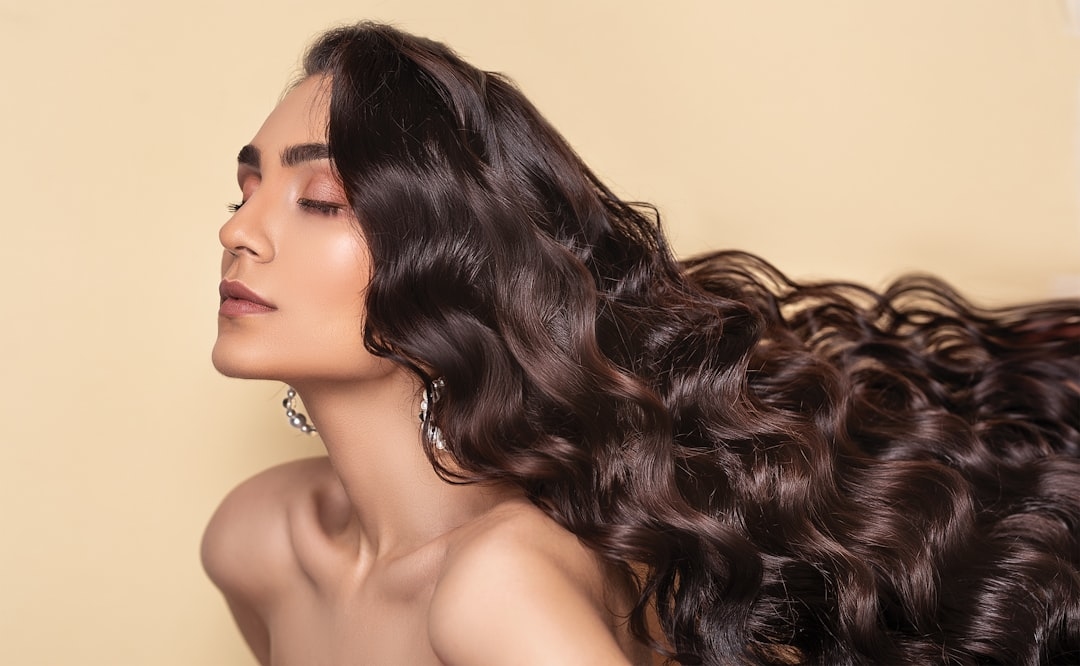
Warm your oil mixture (place the bottle in warm water for 2-3 minutes) before application. Warm oil penetrates more effectively than room-temperature oil. Apply to scalp as described above, then cover with a shower cap. Leave for 1-2 hours (or overnight). The longer duration allows deeper penetration. Hot oil treatments weekly deliver faster results than quick applications, showing improvements typically by week 6.
Frequency and Duration Guidelines
Results require consistency. Apply your chosen blend twice weekly for minimum 12 weeks (one complete hair growth cycle). Most people see noticeable thickness improvements by week 8-12 and significant results by week 16. Seasonal timing matters: start treatments in late August or early September to see peak results by December-January when hair naturally grows slower. Starting in spring yields summer results.
Seasonal Timeline for Essential Oil Hair Treatment
Hair growth follows seasonal patterns, with increased growth typically occurring in spring and early summer. Plan your essential oil regimen around this cycle:
- January-March: Begin weekly treatments during slower growth season. Consistency during this period compounds through spring growth acceleration.
- April-August: Maintain twice-weekly applications. Natural growth acceleration amplifies treatment benefits. This is when you’ll see most dramatic results.
- September-October: Hair growth naturally slows (some people shed more). Increase frequency if needed—move to three times weekly if you’re prone to autumn shedding.
- November-December: Return to twice-weekly maintenance. Many people see peak thickness results from treatments started in January by December.
Starting treatments in late August gives you results by winter—particularly valuable if you attend social events or holidays where fuller-looking hair matters to you.
Precautions and Contraindications
Essential oils aren’t appropriate for everyone. Avoid essential oils if you have:
- Active scalp conditions requiring prescription medication (ask your GP before adding treatments)
- Allergies to any oil component—patch test on a small scalp area 24 hours before full application
- Very sensitive or reactive skin—start with single-oil blends at lowest dilution
- Certain medications—some essential oils interact with medications affecting blood clotting or hormone levels
Peppermint oil can cause tingling; if this intensifies beyond mild sensation, reduce peppermint concentration or discontinue. Lavender, while gentle, shouldn’t be used during pregnancy without consulting your midwife. Rosemary is safe for most people but avoid if you have high blood pressure or epilepsy without medical clearance.
Quick Cost Breakdown: Essential Oil Hair Treatment Program
- Carrier oils (initial purchase, each lasts 3-4 months): £15-25 total for multiple oils
- Essential oils (one 10ml bottle lasts 6+ months): £4-12 per oil, typically purchasing 3-4 oils = £12-48
- Glass bottles with droppers (2-3 bottles, one-time): £4-8
- Per-application cost (after initial investment): £0.50-1.50
- 12-week treatment program cost: Initial investment £35-85, then £12-36 for supplies (total £47-121)
Compared to minoxidil treatments (£20-30 monthly) or professional treatments (£60-150 per session), essential oil regimens are exceptionally affordable. One initial investment covers 6+ months of treatment.
Comparing Essential Oils to Other Hair Growth Approaches
Essential oils work differently than minoxidil or finasteride. Minoxidil directly extends the hair growth phase through complex biochemical mechanisms—it’s faster but requires ongoing use and monitoring for side effects. Essential oils improve the scalp environment that supports growth—gentler, cheaper, and sustainable long-term, but slower to show results.
For maintenance and prevention, essential oils are excellent. For active hair loss, combining essential oils with proven medical treatments (after consulting your GP) maximizes results. Many people use essential oils as their primary intervention for early-stage thinning, then explore medical options if results plateau after 16 weeks.
FAQ: Mixing Essential Oils for Hair
How long until I see results from essential oil treatments?
Most people notice initial thickness improvements by week 8-12. Significant, visible results typically require 16-24 weeks of consistent twice-weekly application. Hair follicles cycle through growth phases lasting 2-7 years, so patience compounds benefits. Minimal results by 12 weeks might indicate your specific hair loss cause isn’t responsive to essential oil treatment—consult your GP to rule out medical causes.
Can I use essential oils if I colour my hair?
Yes. Essential oils actually help maintain colour longevity by improving hair health. Apply treatments on non-wash days (not immediately before or after colouring). Wait 48 hours after colour application before resuming essential oil treatments. The oils won’t affect colour vibrancy if applied properly.
Are essential oils safe for sensitive scalps?
Some are. Lavender and cedarwood are gentlest. Peppermint and rosemary can cause tingling on sensitive scalps—start with lower dilutions (1% instead of 2-3%) or skip these oils initially. Patch test any new blend on a small scalp area 24 hours before full application. If irritation develops, discontinue and switch to gentler alternatives.
Can men and women both use the same essential oil blends?
Absolutely. Essential oils for hair growth work identically regardless of gender. Some men have concerns about lavender (traditionally associated with femininity) affecting hormones—this is a myth. Lavender essential oil applied topically doesn’t affect systemic hormone levels. Choose blends based on your scalp needs, not gender.
What if I see no results after 16 weeks?
Consult your GP. Hair loss has multiple causes (vitamin deficiencies, hormonal conditions, thyroid dysfunction, genetic factors). Essential oils can’t address all causes. Your GP can perform tests determining whether medical intervention (minoxidil, finasteride, or other treatments) would be more appropriate. Essential oils remain beneficial even if used alongside medical treatments.
Start Your Essential Oil Treatment This Week
Purchase a carrier oil (jojoba or argan oil, approximately £6-10) and two essential oils from your chosen blend (rosemary and peppermint for growth focus, or cedarwood and lavender for sensitivity). Spend 15 minutes creating your first batch of mixed oil. Apply twice weekly for 12 weeks, keeping a simple log of your results (photograph your hairline monthly). By December 2026, you’ll have objective data showing whether essential oils are delivering the thickness improvement you’re seeking. If results satisfy you, you’ve found an affordable, sustainable hair care solution. If not, you’ve gathered information to discuss with your GP about next steps.