Contents:
- Why Preparation Matters for Laser Hair Removal
- Stop Waxing and Plucking at Least 2-4 Weeks Before Treatment
- Shave the Area 24 Hours Before Your Appointment
- Avoid Sun Exposure for 4-6 Weeks Prior
- Skip Certain Skincare Products in the Lead-Up Period
- Hydrate Your Skin Thoroughly
- Avoid Heat Exposure Before Your Appointment
- Avoid Certain Medications and Supplements
- Plan for Tattoos and Permanent Makeup
- Arrange Transportation if Needed
- Laser Hair Removal vs. Electrolysis: Understanding the Key Difference
- What the Pros Know: Budget Expectations and Cost Breakdown
- Practical Tips for Optimal Results
- Keep a Treatment Journal
- Wear Loose, Comfortable Clothing to Your Appointment
- Avoid Swimming and Hot Water for 48 Hours Post-Treatment
- Use a Healing Serum or Aloe Vera After Treatment
- Frequently Asked Questions
- Can I have laser hair removal if I’m pregnant?
- What should I do if I accidentally waxed or plucked before my appointment?
- Is it okay to use deodorant before laser treatment?
- How long after laser hair removal can I resume my normal skincare routine?
- Will my hair shed after treatment, and is that normal?
- Final Preparation Checklist: 4 Weeks Before Your Appointment
- 2-3 Days Before Treatment
- 24 Hours Before Treatment
Many people believe that laser hair removal requires minimal preparation and that they can simply walk into a clinic and have the procedure done. This is a dangerous misconception. Proper preparation for laser hair removal is absolutely crucial to achieving optimal results and avoiding complications. The reality is that what you do in the weeks leading up to your appointment often determines whether you’ll enjoy smooth, hair-free skin or experience disappointing outcomes and potential side effects.
Why Preparation Matters for Laser Hair Removal
Laser hair removal works by targeting the melanin in your hair follicles with concentrated light energy. Your skin’s condition, the hair’s growth cycle, and your body’s readiness all influence how effectively the laser will work. When clients skip proper preparation, they often see patchy results, experience unnecessary discomfort, or develop post-treatment complications like burns or hyperpigmentation.
The preparation period typically spans 2-4 weeks before your appointment. During this window, you’re essentially conditioning your skin and hair to respond optimally to the laser treatment. Think of it like preparing for a sports event: athletes don’t just show up on race day unprepared. They follow specific protocols to prime their bodies for peak performance.
Stop Waxing and Plucking at Least 2-4 Weeks Before Treatment
This is the single most important rule for pre-laser preparation. Waxing, plucking, threading, and sugaring all remove the hair from the root. Since laser hair removal requires the hair root to be intact beneath the skin, these methods completely compromise treatment effectiveness.
When you wax or pluck, you eliminate the melanin-rich root that the laser targets. The laser has nothing to work with. Your technician will have to work with whatever hair regrows in the 2-4 weeks before your appointment. Plan accordingly: if you’re booked for 1st May 2026, stop all hair removal methods by mid-to-late April.
Shaving, however, is perfectly acceptable and actually recommended. A clean razor removes hair at skin level, leaving the root intact beneath the surface where the laser can reach it.
Shave the Area 24 Hours Before Your Appointment
Shave your treatment area the day before your laser appointment, or morning-of if you prefer. Use a fresh, clean razor and shaving cream or gel. Avoid dry shaving, which irritates skin and increases infection risk.
Shaving accomplishes two critical things: it removes surface hair so the laser energy reaches the follicle beneath (rather than being absorbed by surface hair), and it reduces the burn risk from laser heat being absorbed by visible hair above the skin. A common mistake is arriving at your appointment with stubble intact, which forces your technician to spend time removing it beforehand and wastes your appointment time.
Avoid Sun Exposure for 4-6 Weeks Prior
Sun exposure significantly increases your risk of adverse reactions to laser treatment. When your skin is tanned (whether naturally or from a sunbed), the laser struggles to distinguish between the melanin in hair follicles and the melanin in your skin. This can result in burns, blistering, or hyperpigmentation.
The British Association of Dermatologists recommends avoiding direct sunlight for at least 4-6 weeks before laser hair removal. If you must be outdoors, apply a high-SPF sunscreen (minimum 30 SPF) and wear protective clothing. Avoid sunbeds entirely during this period. Self-tanning products are also off-limits.
If you’ve already got a tan when booking your appointment, reschedule if possible. Waiting until your tan fades is far safer than proceeding with treatment.
Skip Certain Skincare Products in the Lead-Up Period
Approximately 1-2 weeks before your treatment, eliminate or reduce use of products that sensitise your skin:
- Retinol and retinoids – These vitamin A derivatives thin the skin and increase sensitivity. Stop use 7-10 days before treatment.
- Glycolic acid and chemical exfoliants – AHAs and BHAs compromise the skin barrier. Avoid for at least 5-7 days pre-treatment.
- Vitamin C serums – Can make skin reactive. Skip for 3-5 days before your appointment.
- Benzoyl peroxide – Used in acne treatments, it can increase photosensitivity. Pause for at least 5 days.
Your everyday moisturiser and gentle cleanser are fine to continue. Hydrated skin actually responds better to laser treatment, so don’t neglect moisturising.
Hydrate Your Skin Thoroughly
Well-hydrated skin tolerates laser treatment much better than dehydrated skin. Dehydrated skin becomes more reactive and uncomfortable during treatment, and it heals more slowly afterwards. Aim to drink 2-3 litres of water daily in the 2-4 weeks leading up to your appointment.
Apply a fragrance-free, alcohol-free moisturiser twice daily. If you have very dry skin, use a heavier moisturiser or facial oil at night. Hydration also helps your skin recover faster post-treatment, reducing redness and inflammation.
Avoid Heat Exposure Before Your Appointment
For at least 24-48 hours before your laser session, avoid excessive heat. This includes saunas, steam rooms, hot baths, hot showers, and intense exercise that makes you sweat heavily. Heat dilates blood vessels and increases skin sensitivity, making the laser treatment more uncomfortable and slightly increasing burn risk.
Take lukewarm showers instead and keep your environment at a normal temperature. If you exercise, stick to low-intensity activities like walking or yoga rather than high-intensity workouts or cardio classes.
Avoid Certain Medications and Supplements
Some medications and supplements increase photosensitivity or blood flow, which can complicate laser treatment:
- Isotretinoin (Accutane) – Used for severe acne, this medication makes skin extremely photosensitive. Inform your clinic if you’ve taken this within the past 6-12 months.
- Certain antibiotics – Tetracyclines and some fluoroquinolones increase photosensitivity. Check with your GP if you’re on antibiotics.
- Aspirin and blood thinners – These increase bleeding risk during treatment. Pause if possible; otherwise inform your technician.
- St John’s Wort – This herbal supplement increases photosensitivity. Avoid it for at least 1-2 weeks pre-treatment.
- Ibuprofen and NSAIDs – These thin blood and can increase bruising. Stop taking them 24-48 hours before treatment.
Always inform your clinic of all medications and supplements you’re taking before your appointment. Your technician needs this information to adjust settings and manage expectations.
Plan for Tattoos and Permanent Makeup
Laser hair removal must be avoided over tattooed areas or permanent makeup (including microbladed eyebrows, permanent eyeliner, or tattooed lip lines). The laser will damage the tattoo pigment, causing it to blur, fade, or change colour. If you have a tattoo or permanent makeup in the treatment area, mark it clearly with a pen so your technician can avoid it entirely.
If you’re considering permanent makeup, schedule laser hair removal first, then book your permanent makeup procedure at least 2-3 weeks afterwards once any redness has completely faded.
Arrange Transportation if Needed
Your skin will be red and sensitive immediately after treatment. Some clinics recommend avoiding driving for 24-48 hours post-treatment due to the heat generated by the laser. If you’re treating your face or a large area, arrange for someone to drive you home. At minimum, avoid driving in intense sunlight immediately after treatment.
Laser Hair Removal vs. Electrolysis: Understanding the Key Difference
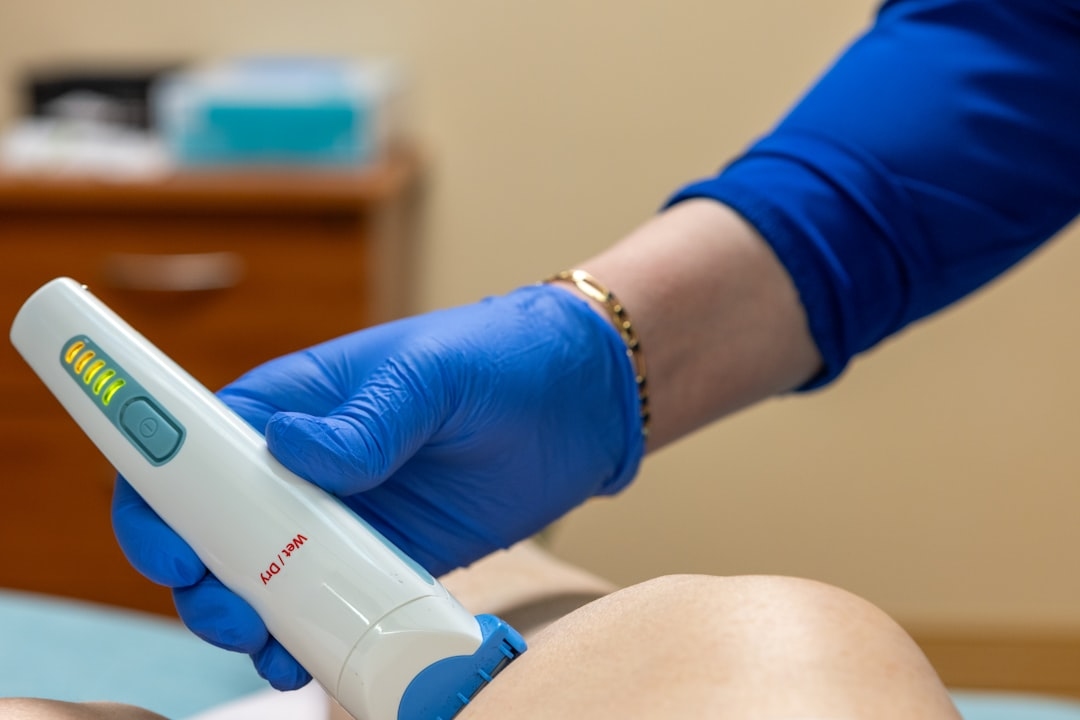
Many people confuse laser hair removal with electrolysis, but they’re fundamentally different treatments requiring different preparation protocols. Laser hair removal uses concentrated light to target melanin in hair follicles across larger areas quickly. Electrolysis, by contrast, uses a fine needle inserted into each individual follicle and applies electrical current to destroy the root. Electrolysis works on all hair colours, including grey and red hair, whereas laser works best on dark hair.
For laser hair removal preparation, the steps outlined in this guide apply directly. If you’re having electrolysis instead, you still need to avoid waxing and plucking, but sun exposure is less critical since electrolysis doesn’t rely on melanin.
What the Pros Know: Budget Expectations and Cost Breakdown
Professional laser hair removal in the UK typically costs between £80-£250 per session depending on the treatment area. Underarms usually cost £60-£100 per session, while full leg treatment runs £120-£250 per session. Most people need 6-12 sessions spaced 4-8 weeks apart for optimal permanent hair reduction.
Budget-savvy clients book treatment packages upfront, which offer 15-25% savings compared to pay-per-session pricing. A typical underarm package of 6 sessions might cost £400-£450 (roughly £70 per session), versus £100+ per session if paid individually. Some clinics offer flexible payment plans for larger packages.
Professional clinic treatment is significantly more expensive than at-home laser devices (which cost £150-£500 upfront), but professional equipment has greater power and delivers superior results. Home devices work best for maintenance after professional treatment rather than as standalone solutions for initial hair removal.
Practical Tips for Optimal Results
Keep a Treatment Journal
Document your skin’s response after each session. Note any redness, sensitivity, or hair shedding patterns. This information helps your technician adjust settings for subsequent appointments and gives you realistic expectations about your progress.
Wear Loose, Comfortable Clothing to Your Appointment
Wear clothing that won’t rub or irritate the treated area. If you’re having underarm treatment, wear a loose t-shirt rather than a tight dress. Fabric should be soft and breathable. Avoid wool or scratchy materials.
Avoid Swimming and Hot Water for 48 Hours Post-Treatment
Chlorine in swimming pools and the bacteria in hot tubs can infect treated skin. Hot water opens pores and can trigger increased inflammation. Stick to lukewarm showers and avoid public water facilities for at least 2 days after treatment.
Use a Healing Serum or Aloe Vera After Treatment
Many clinics apply a soothing product immediately after treatment. Continue using hydrating, calming products like aloe vera gel or specialized post-laser serums for the first week. These reduce inflammation and support skin recovery.
Frequently Asked Questions
Can I have laser hair removal if I’m pregnant?
No, it’s not recommended. Although the laser doesn’t penetrate deeply enough to reach the baby, hormonal changes during pregnancy affect skin sensitivity and hair growth patterns, making results unpredictable. Most clinics require clients to postpone treatment until after pregnancy and breastfeeding (if applicable).
What should I do if I accidentally waxed or plucked before my appointment?
Contact your clinic immediately and reschedule if possible. If rescheduling isn’t an option, your technician can still perform the treatment, but results will be significantly reduced since the hair roots won’t be present. Ideally, wait 4-6 weeks for hair to regrow before rescheduling.
Is it okay to use deodorant before laser treatment?
No, skip deodorant and antiperspirant on the day of treatment. These products leave residue on skin that can interfere with the laser and increase burn risk. Shower and cleanse the area thoroughly in the morning before your appointment, then avoid applying anything to the skin.
How long after laser hair removal can I resume my normal skincare routine?
Wait at least 5-7 days before reintroducing retinol, chemical exfoliants, or vitamin C serums. Gentle hydrating products like moisturiser and sunscreen can be used immediately (in fact, they’re recommended). If your skin still feels reactive after a week, wait another 3-4 days.
Will my hair shed after treatment, and is that normal?
Yes, completely normal. Most hair sheds 5-14 days post-treatment as the damaged follicles expel the hair. You might see dark specks (shed hair) on your skin. Don’t pluck or pull them; let them shed naturally. Gently exfoliate after 5-7 days to help remove shed hair and prevent ingrown hairs.
Final Preparation Checklist: 4 Weeks Before Your Appointment
- Stop all waxing, plucking, threading, and sugaring immediately
- Reduce sun exposure and start daily SPF 30+ application
- Eliminate retinol, AHAs, BHAs, and other sensitising products
- Increase daily water intake to 2-3 litres
- Apply moisturiser twice daily
- Avoid saunas, steam rooms, and intense heat
- Review all medications and supplements with your clinic
- Arrange transportation if needed
2-3 Days Before Treatment
- Avoid aspirin, ibuprofen, and NSAIDs
- Limit alcohol consumption (it thins blood)
- Continue hydrating and moisturising
- Avoid heat exposure and heavy exercise
24 Hours Before Treatment
- Shave the treatment area with a clean razor and shaving cream
- Avoid deodorant, perfume, and skincare products on the day of treatment
- Wear clean, loose clothing
- Take a lukewarm (not hot) shower to cleanse the area
Preparing properly for laser hair removal transforms your treatment outcome. You’re not just showing up for a procedure; you’re actively optimising your skin’s response to the laser and minimising your risk of complications. The 2-4 weeks of preparation before your appointment are as important as the treatment itself. Follow this guide, communicate openly with your clinic about your skin type and medical history, and you’ll be well-positioned to achieve the smooth, hair-free results you’re seeking.
Start your preparation today, and book your laser hair removal appointment with confidence, knowing you’ve done everything possible to set yourself up for success.