Contents:
- What Is Rice Water and Why Hair Cares About It
- The Benefits: Where Rice Water Actually Helps
- Improving Hair Shine and Smoothness
- Strengthening Weakened Strands
- Soothing a Sensitive Scalp
- The Drawbacks and Who Should Avoid Rice Water
- Protein Overload Risk
- Scalp Buildup and Flaking
- Not Effective for Hair Growth
- How to Use Rice Water Correctly
- Preparation Methods
- Application Protocol
- What the Pros Know
- Seasonal Timeline for Results
- The Cost-Benefit Analysis
- FAQs: Is Rice Water Good for Hair?
- The Final Word
A 2010 study by Japan’s Okayama University found that inositol—a carbohydrate present in rice water—penetrated the hair shaft and improved elasticity by 6% in just 30 days. This single finding sparked a global revival of an ancient beauty practice. Yet the claim that rice water is universally beneficial for hair remains more complicated than social media suggests.
The answer to whether rice water is good for hair depends entirely on your hair type, the preparation method, and your specific concerns. The evidence supports its use for certain applications, while it may actively harm others.
What Is Rice Water and Why Hair Cares About It
Rice water is the starchy liquid left behind after rinsing or cooking rice. It contains amino acids, B vitamins, vitamin E, magnesium, and inositol—compounds that theoretically support hair strength and shine. The key word is theoretically; dermatological research shows mixed results.
The starch content (typically 3–5% by weight) acts as a mild protein coating when applied topically. This is why many people report improved shine and smoothness immediately after use. However, this cosmetic effect differs from structural hair repair, which requires deeper penetration.
Rice water has been used in Asian beauty traditions for centuries—particularly in Japan, Korea, and Southeast Asia. Contemporary use accelerated in 2015 when viral hair growth claims circulated online, though robust clinical evidence for accelerated growth remains limited.
The Benefits: Where Rice Water Actually Helps
Improving Hair Shine and Smoothness
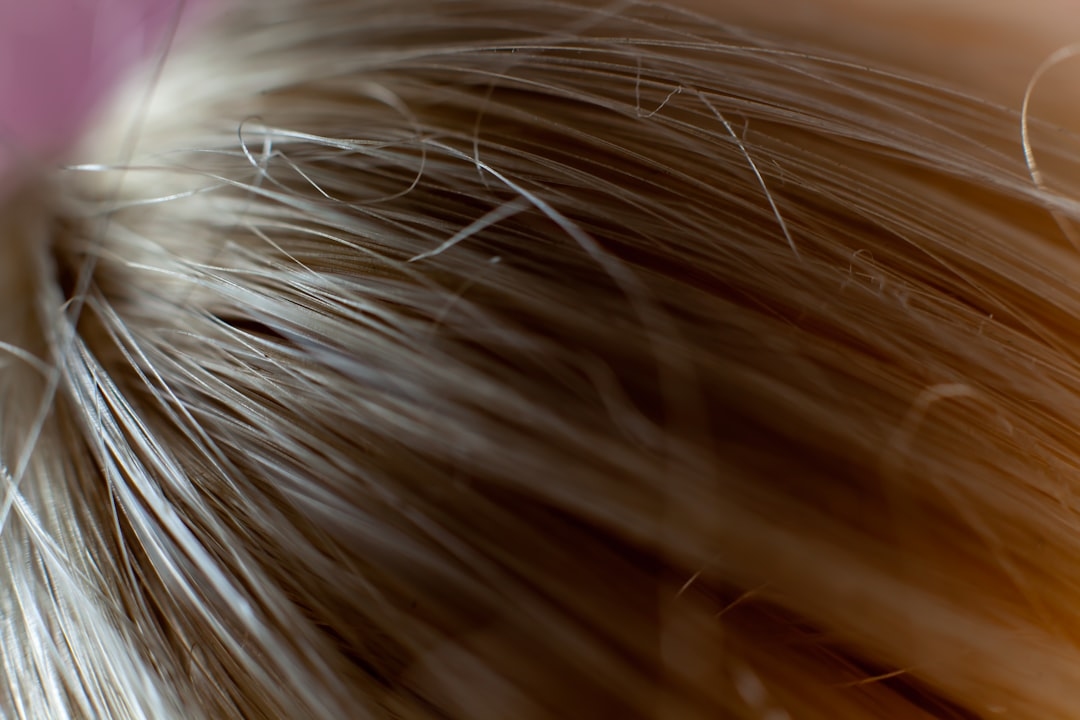
This is where rice water performs most reliably. The starch layer deposits on the hair cuticle, creating temporary smoothness and reflected light. The effect is measurable but transient—it diminishes after 2–3 shampoos.
For dull, lifeless hair lacking shine, a weekly rice water rinse (5–10 minutes) produces visible results within two applications. This benefit applies across hair types.
Strengthening Weakened Strands
The inositol and amino acid content does offer some strengthening benefit, particularly for heat-damaged or chemically treated hair. Studies suggest a 4–8% improvement in elasticity and tensile strength. This is modest but measurable.
The improvement requires consistent use over 4–6 weeks. One-off applications won’t repair structural damage; think of rice water as a supportive treatment, not a rescue remedy.
Soothing a Sensitive Scalp
Some dermatologists report that rice water’s anti-inflammatory properties (likely from its B vitamin content) can reduce scalp irritation and itching. However, individual response varies significantly. Those with seborrheic dermatitis or scalp psoriasis should consult their doctor before relying on rice water as a treatment.
The Drawbacks and Who Should Avoid Rice Water
Protein Overload Risk
This is critical. Rice water contains plant proteins that accumulate on the hair shaft. Excessive protein deposits cause brittleness, stiffness, and breakage—the opposite of the desired effect. This risk increases with fine, thin, or naturally curly hair, which is more sensitive to protein buildup.
Using rice water more than once weekly, or combining it with protein-heavy conditioners, can trigger protein overload within 3–4 weeks. Symptoms include dryness, reduced elasticity, and increased tangling.
Scalp Buildup and Flaking
The starch in rice water accumulates at the scalp if not thoroughly rinsed. Over time (typically 2–3 weeks of regular use), this creates visible flaking, residue, and scalp irritation. People with oily scalps are particularly vulnerable.
Not Effective for Hair Growth
Despite viral claims, there is no credible dermatological evidence that rice water stimulates hair growth. The Okayama study measured elasticity, not growth rate or follicle health. Growth requires systemic nutrients (biotin, zinc, iron) and scalp circulation—topical rice water cannot address either factor.
Marketing around rice water growth serums often exploits the 2010 elasticity finding, misrepresenting it as growth acceleration. Don’t expect thicker, longer hair from rice water alone.
How to Use Rice Water Correctly
Preparation Methods
Fermented rice water: Soak uncooked rice in water for 24–48 hours at room temperature. Fermentation concentrates nutrients and creates beneficial lactic acid. Strain before use. This method requires care: fermentation produces ammonia-like odour and can harbour bacteria if improperly stored.
Boiled rice water: Boil rice until tender, strain immediately, and cool. This method is safer and produces less smell. Nutrient concentration is slightly lower but still effective.
Quick rinse method: Simply rinse cooked rice with clean water and collect the liquid. Less potent than fermented versions but faster and lower-risk for contamination.
Application Protocol
- Shampoo your hair normally. Rice water works best on clean hair.
- Apply rice water to the mid-lengths and ends (avoiding scalp if you have a sensitive scalp). Massage gently for 2–3 minutes.
- Leave it on for 5–20 minutes depending on your hair’s protein sensitivity. Finer hair: 5 minutes. Thicker hair: 10–15 minutes.
- Rinse thoroughly with cool water until no starch residue remains. Poor rinsing causes buildup.
- Use once weekly maximum, or every 10–14 days for fine hair.
- Monitor your hair after 2–3 weeks. If you notice dryness or brittleness, reduce frequency or discontinue.
What the Pros Know
Professional stylists recommend rice water as a once-monthly maintenance rinse rather than a weekly staple. They combine it with moisture-rich conditioners to balance protein intake. Those treating heat damage or colour-treated hair often use rice water on the final 3 cm of the hair shaft only, keeping it away from fragile ends. Salon professionals also note that results vary dramatically by water hardness—softer water improves efficacy.
Seasonal Timeline for Results
If you decide to test rice water: commit to 8–12 weeks (roughly late winter through spring) to assess real benefits. This timeline allows enough time to identify whether protein buildup or scalp issues develop. Spring is an ideal testing season because hair naturally improves with warmer weather and increased moisture; any genuine benefit from rice water will stand out against this background.
Summer use (May–August) risks protein overload due to increased washing frequency and chlorine exposure from pools. Autumn (September–November) works well as a maintenance treatment once you’ve confirmed rice water suits your hair.
The Cost-Benefit Analysis
A kilogram of quality rice costs £0.80–£2.00 at most UK supermarkets. A single batch yields roughly 250–300 ml of rice water, costing pence per application. Compare this to £15–£30 for commercial rice water serums or shampoos marketed with identical claims. The DIY version is more cost-effective, though it requires time investment and carries slightly higher contamination risk.
FAQs: Is Rice Water Good for Hair?
Q: Does rice water actually help with hair growth?
A: No clinical evidence supports rice water as a hair growth accelerant. It may improve elasticity and reduce breakage (making hair appear healthier), but it does not stimulate new growth. Systemic nutrients and scalp health matter far more for growth.
Q: Can rice water damage hair?
A: Yes, if overused or applied to protein-sensitive hair. Protein buildup from excessive rice water application causes brittleness and breakage. Once-weekly use with thorough rinsing minimises this risk. Fine or curly hair is most vulnerable.
Q: How often should you use rice water on hair?
A: Once weekly is the safe maximum for most hair types. Those with fine hair should reduce frequency to every 10–14 days. Monitor your hair closely; if dryness or stiffness develops, reduce frequency further or stop.
Q: Is fermented or boiled rice water better?
A: Fermented versions are slightly more nutrient-concentrated, but boiled rice water is safer and produces fewer odour issues. Both work; choose based on tolerance for smell and preparation time.
Q: Who should avoid rice water?
A: Those with fine, thin, or highly curly hair should use it sparingly or avoid it entirely due to protein overload risk. People with oily scalps may experience buildup and flaking. Test cautiously if you fall into either category.
The Final Word
Rice water is genuinely useful for specific purposes—improving shine and smoothness, supporting elasticity in damaged hair, and soothing scalp irritation. It’s inexpensive, accessible, and has a long historical track record. But it is not a cure-all. It cannot grow hair, and overuse causes problems.
The science supports rice water as a weekly maintenance treatment for most hair types, with particular benefit for dull or heat-damaged hair. Results appear within 2–3 weeks and plateau thereafter. Start with once-weekly applications, monitor carefully for protein overload, and adjust based on your hair’s response. Realistic expectations—and consistent rinsing—separate successful rice water users from those disappointed by overhyped claims.