Contents:
- The Science Behind Coconut Oil’s Effect on Hair
- What Does Coconut Oil Do for Your Hair: Moisture Retention
- Protein Replenishment and Strength
- Scalp Health and Dandruff Management
- Frizz Control and Shine
- Comparing Coconut Oil to Other Common Hair Oils
- Application Methods for Best Results
- Pre-Wash Oil Mask
- Post-Wash Leave-In Treatment
- Scalp Massage
- Seasonal Considerations for UK Hair Care
- Practical Tips for DIY Enthusiasts
- Frequently Asked Questions
- Can I use coconut oil every day on my hair?
- How long does it take to see results?
- Will coconut oil clog my pores or cause scalp problems?
- Is refined or virgin coconut oil better for hair?
- Can coconut oil treat hair loss?
- Moving Forward with Coconut Oil
Picture this: morning light streaming through your bathroom mirror, a jar of creamy white coconut oil warming in your hands, its rich aroma filling the space. You’re about to transform your hair care routine, but you pause. What exactly will this oil do? How does it work? These questions sit at the heart of why thousands of British households now keep coconut oil on their shelves.
Coconut oil has become a fixture in modern hair care, yet many people apply it without truly understanding its mechanisms. This guide examines what coconut oil actually does for your hair, grounded in how the chemistry works rather than marketing claims.
The Science Behind Coconut Oil’s Effect on Hair
Coconut oil consists primarily of medium-chain fatty acids, with lauric acid making up roughly 49% of its composition. These molecules are small enough to penetrate the hair shaft—a property that distinguishes coconut oil from many other natural oils. When applied, these fatty acids bind to the protein structure of hair, filling microscopic gaps and smoothing the cuticle layer.
The molecular structure matters because larger-chain fats simply coat the surface without penetrating, creating a greasy appearance. Coconut oil’s size allows it to work differently. Studies have shown that coconut oil reduces protein loss from hair by up to 30% compared to mineral oil, whether applied before or after washing.
Temperature affects how coconut oil behaves. In the UK’s typical climate, coconut oil remains solid below 24°C, which is why it hardens in your jar during winter months. Warming it slightly in your hands before application allows the oil to distribute more evenly through your hair.
What Does Coconut Oil Do for Your Hair: Moisture Retention
One of the most tangible effects of coconut oil is improved moisture retention. Hair loses water throughout the day, especially after washing. The outer layer, called the cuticle, acts as a barrier. When cuticles lie flat and sealed, water stays locked inside. When they’re raised or damaged, moisture escapes.
Coconut oil smooths and seals cuticles, reducing the amount of water that evaporates. This is particularly valuable for dry or curly hair types, which naturally lose moisture faster than straight hair. A person with thick, curly hair might apply coconut oil as a pre-wash treatment, leaving it on for 20 to 30 minutes before shampooing. This technique, sometimes called an oil mask, can noticeably improve softness within two weeks of consistent use.
Protein Replenishment and Strength
Hair is made of keratin, a protein that degrades with heat, chemical treatments, and UV exposure. Coconut oil doesn’t replace lost keratin, but it acts as a protective barrier that slows further protein loss. Think of it as insulation for your hair rather than a repair mechanism.
For individuals who use heat styling tools regularly—straighteners, blow dryers, or curling irons—applying a small amount of coconut oil beforehand can reduce damage by up to 20%. The oil absorbs some of the heat and prevents direct damage to the protein structure. Apply it to damp hair, not wet, so it distributes evenly without causing frizz.
Scalp Health and Dandruff Management
Coconut oil’s antimicrobial properties stem from its lauric acid content. This fatty acid has demonstrated effectiveness against certain fungal species, including Malassezia furfur, which contributes to dandruff development. However, coconut oil is not a cure for severe dandruff or fungal scalp conditions—it’s more accurately described as a supplementary treatment.
People with mild flaking or dryness might massage a teaspoon of warmed coconut oil directly into their scalp, leave it for 15 minutes, then shampoo thoroughly. This simple weekly treatment can reduce dryness-related flaking within four weeks. Those with greasy scalps should avoid this approach, as coconut oil can exacerbate oiliness.
Frizz Control and Shine
Frizz occurs when humidity causes hydrogen bonds in the hair to break and reform randomly, making the cuticle rough and uneven. Coconut oil seals the cuticle, which limits the hair’s ability to absorb atmospheric moisture. A small amount—roughly the size of a pea—rubbed through damp hair before blow-drying creates a smoother surface that reflects light more evenly, producing visible shine.
This effect is temporary and washes out with your next shampoo, which is why consistent application matters if you want sustained results. The shine isn’t artificial; it’s the result of properly aligned cuticles reflecting light as they should.
Comparing Coconut Oil to Other Common Hair Oils
Coconut oil is often confused with coconut water or coconut milk—products that lack its penetrating properties. It’s also frequently compared to argan oil, another popular natural treatment. The key difference: argan oil is lighter and works better for fine or thin hair, whilst coconut oil is heavier and suits thicker, coarser textures better. Jojoba oil, another common option, more closely mimics your scalp’s natural sebum and is gentler for those with sensitive skin.
For someone deciding between options at a UK beauty supplier, a 250ml bottle of pure coconut oil typically costs £4 to £8, whilst argan oil of similar size costs £12 to £18. Jojoba oil sits in the middle at £8 to £12. The choice depends on your hair type and budget rather than superiority—each oil serves different purposes.
Application Methods for Best Results
Pre-Wash Oil Mask
Apply coconut oil to dry or damp hair, focusing on mid-lengths and ends. Leave it for 30 minutes to several hours (or overnight). Shampoo twice to ensure full removal. This method provides maximum penetration and is ideal for monthly deep conditioning.
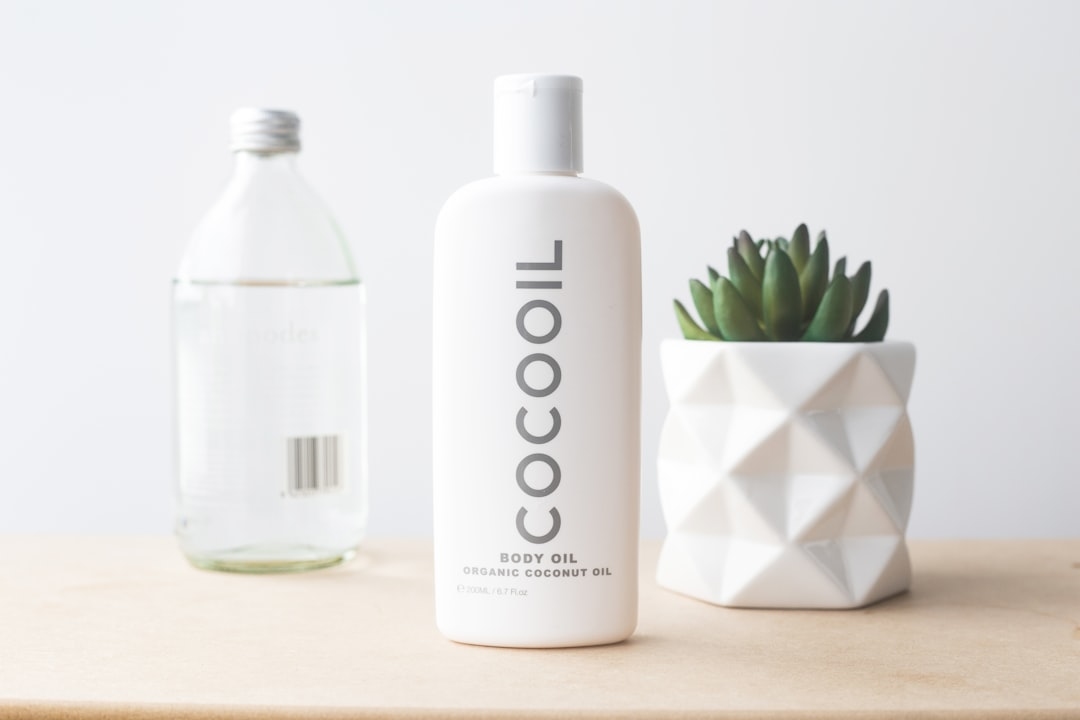
Post-Wash Leave-In Treatment
Apply a tiny amount to the ends of towel-dried hair before styling. Use sparingly—excess oil will make hair look greasy rather than healthy. This method suits those who shampoo daily or have fine hair.
Scalp Massage
Warm the oil slightly and massage it into your scalp using your fingertips. Leave for 15 to 20 minutes, then shampoo. This approach targets scalp health rather than hair conditioning.
Seasonal Considerations for UK Hair Care
Coconut oil’s benefits shift with the seasons. During winter (November through February), the solid coconut oil helps trap moisture in hair as central heating dries the air and scalp. During spring and early summer (March through June), lighter application prevents greasiness as weather warms. By summer, many people reduce coconut oil use entirely, relying instead on lightweight leave-in conditioners.
A practical approach: use coconut oil oil masks from October through April, then switch to post-wash treatments or skip it entirely during warmer months. This seasonal rhythm matches the natural demands your hair faces.
Practical Tips for DIY Enthusiasts
- Test on a small section first if you have never used coconut oil. Some people’s hair absorbs it beautifully; others find it too heavy, resulting in greasiness within hours.
- Buy organic, virgin coconut oil rather than refined versions. Virgin oil retains more beneficial compounds and has a richer aroma, though both are chemically similar.
- Store coconut oil in a cool, dark place. Direct sunlight degrades some of its beneficial compounds. A bathroom cabinet away from the shower’s steam works better than the shelf above a radiator.
- Mix coconut oil with lighter oils if your hair is fine or prone to greasiness. Equal parts coconut oil and jojoba oil offers benefits without heavy buildup.
- Never apply coconut oil to wet hair immediately before shampooing if your goal is conditioning. The water barrier prevents deep penetration. Damp hair works better.
Frequently Asked Questions
Can I use coconut oil every day on my hair?
Daily use depends on hair type. Thick, coarse, or curly hair tolerates daily leave-in treatment well. Fine or thin hair usually becomes greasy with daily application. Begin with twice weekly and adjust based on how your hair responds. If it looks dull rather than shiny, you’re likely using too much.
How long does it take to see results?
Minor improvements—increased shine and softer feel—appear within one or two applications. Significant changes in strength, moisture retention, or dandruff reduction require consistent use over three to four weeks. Hair growth itself isn’t affected; what improves is the quality of existing hair.
Will coconut oil clog my pores or cause scalp problems?
For most people, no. However, individuals with extremely oily scalps or fungal sensitivities may experience worsening. If scalp itching, redness, or increased flaking occurs after applying coconut oil, discontinue use. These reactions suggest your particular scalp chemistry doesn’t match well with coconut oil.
Is refined or virgin coconut oil better for hair?
Both penetrate and condition similarly. Virgin retains slightly more beneficial compounds and smells better, which may improve your experience psychologically. Refined is odourless and slightly cheaper (often 20% less in UK shops). For practical results, they’re equivalent.
Can coconut oil treat hair loss?
No. Coconut oil protects and strengthens existing hair, but it doesn’t stimulate growth or prevent genetic hair loss. If you’re experiencing significant hair loss, consult a dermatologist or trichologist rather than relying on topical oils.
Moving Forward with Coconut Oil
Coconut oil is neither a miracle cure nor ineffective filler—it’s a functional conditioning treatment whose benefits depend on consistent application and matching it to your hair type. The science is clear: its molecular structure allows penetration, protein retention, and cuticle sealing. Whether that translates to visibly healthier hair depends on how you use it and whether your hair chemistry responds well.
Start with one treatment method this month. Track what happens to your hair’s texture, shine, and manageability. Adjust frequency and application technique based on real results rather than generic advice. By spring 2026, you’ll understand precisely what coconut oil does for your hair—not hair in general, but yours specifically.